

The drying rate of grains is a critical factor in the grain drying process, as it directly impacts the efficiency and cost of drying operations. As a leading supplier of Grain Dryer Heat Pumps, we have been deeply involved in researching how different grains affect the drying rate of our heat pumps. This exploration not only helps us optimize our products but also provides valuable insights for our customers.
The Basics of Grain Drying with Heat Pumps
Grain dryer heat pumps work on the principle of transferring heat from a low - temperature source to a high - temperature sink. In the context of grain drying, the heat pump extracts heat from the ambient air and uses it to warm and dehumidify the air that is circulated through the grain. This process gradually reduces the moisture content of the grain, making it suitable for storage and further processing.
The drying rate is defined as the amount of moisture removed from the grain per unit of time. It is influenced by several factors, including the initial moisture content of the grain, the temperature and relative humidity of the drying air, the airflow rate, and the type of grain being dried.
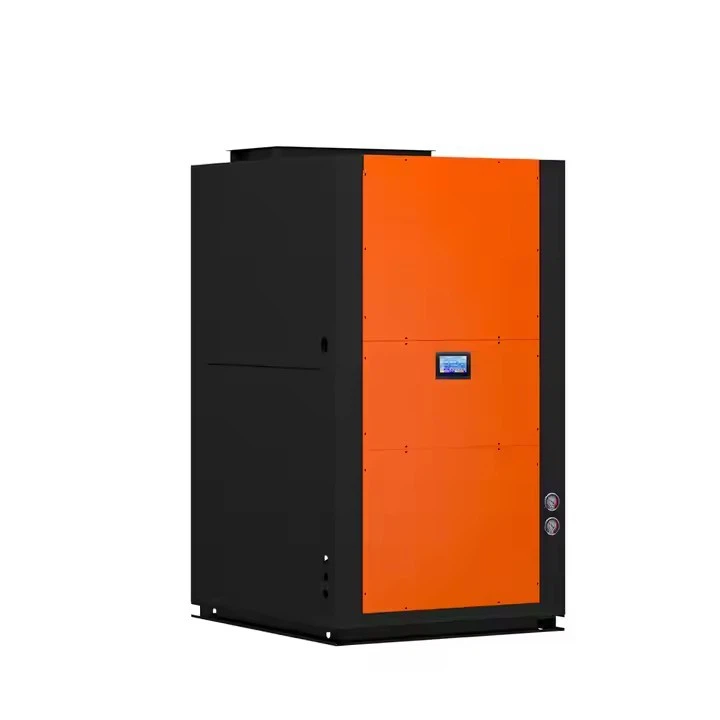
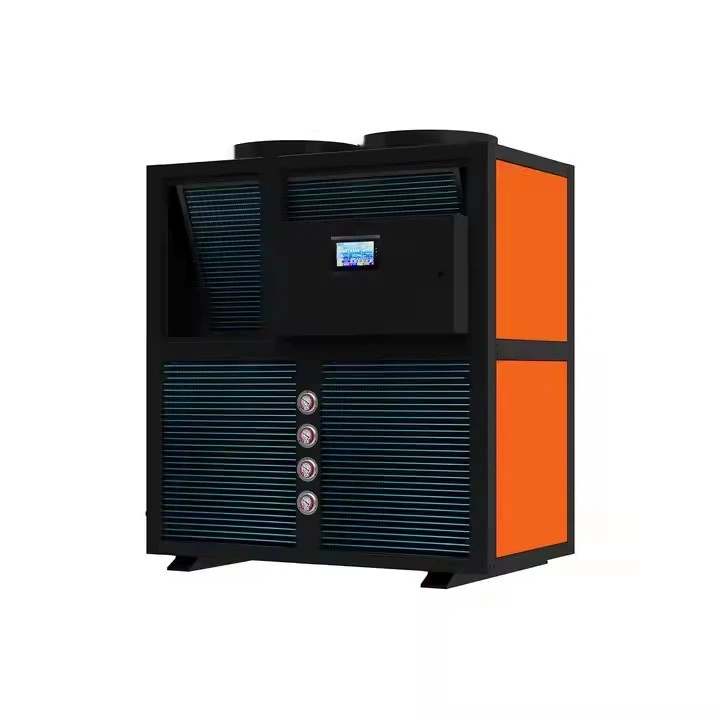
Drying Rate Variation with Different Grains
Wheat
Wheat is one of the most widely grown grains in the world. It has a relatively uniform structure and moisture distribution. When using our Grain Dryer Heat Pump, wheat generally exhibits a relatively stable drying rate. The initial drying stage is relatively fast as the surface moisture of the wheat is removed quickly. As the drying progresses, the rate slows down as the moisture has to migrate from the interior of the wheat kernels to the surface.
The drying rate of wheat can be affected by its variety. Hard wheat varieties may have a slightly lower drying rate compared to soft wheat varieties because of their denser structure. On average, with our heat pump operating at an optimal temperature of around 40 - 45°C and a relative humidity of about 20 - 30%, the drying rate of wheat can range from 0.5% to 1% moisture content per hour.
Corn
Corn has a larger kernel size and a higher initial moisture content compared to wheat. The drying process of corn is more complex due to its thick pericarp (the outer layer of the kernel). In the initial stage, the surface moisture of the corn is removed, but as the drying continues, the moisture inside the kernel has to diffuse through the pericarp, which is a slower process.
Our heat pump can effectively dry corn, but the drying rate is generally lower than that of wheat. At a similar temperature and humidity setting as for wheat, the drying rate of corn may range from 0.3% to 0.7% moisture content per hour. Additionally, the drying rate can be affected by the maturity of the corn. Immature corn may have a higher moisture content and a more difficult - to - dry structure, resulting in a lower drying rate.
Rice
Rice is a unique grain with a high starch content. The drying process of rice needs to be carefully controlled to avoid cracking of the kernels. Our Grain Dryer Heat Pump is designed to provide a gentle drying environment for rice.
The drying rate of rice is relatively slow compared to wheat and corn. The initial moisture removal is mainly from the surface of the rice grains. As the drying progresses, the moisture inside the grains migrates to the surface. At an appropriate drying temperature of around 35 - 40°C and a relative humidity of 20 - 30%, the drying rate of rice is typically in the range of 0.2% to 0.5% moisture content per hour.
Impact of Grain Characteristics on Drying Rate
The physical and chemical properties of different grains play a significant role in determining the drying rate. The size and shape of the grain kernels affect the surface - area - to - volume ratio. Grains with a larger surface - area - to - volume ratio, such as small - sized grains, generally have a higher drying rate because more moisture can be exposed to the drying air.
The chemical composition of the grain also matters. Grains with a high protein or fat content may have different moisture - holding capacities compared to grains with a high starch content. For example, soybeans, which have a relatively high protein and fat content, may have a different drying behavior compared to grains like wheat or rice.
Optimizing the Drying Process for Different Grains
As a Grain Dryer Heat Pump supplier, we understand the importance of optimizing the drying process for different grains. Our heat pumps are designed with adjustable temperature and humidity settings, allowing users to customize the drying conditions according to the type of grain.
For grains with a high initial moisture content, such as corn, a two - stage drying process can be used. In the first stage, a higher temperature and airflow rate can be applied to quickly remove the surface moisture. In the second stage, the temperature and airflow rate can be reduced to allow for a more gentle removal of the internal moisture, preventing over - drying and damage to the grains.
For rice, a slow and gradual drying process is recommended to avoid cracking. Our heat pumps can be set to a lower temperature and controlled humidity to ensure the quality of the dried rice.
Product Advantages for Different Grains
Our Grain Dryer Heat Pump offers several advantages for drying different grains. It is energy - efficient, which can significantly reduce the drying cost. By using heat from the ambient air, it has a lower carbon footprint compared to traditional fuel - based drying methods.
The Integral Closed Up Dryer in our product line is suitable for various grains. Its closed - loop system ensures that the drying process is not affected by external weather conditions, providing a stable and consistent drying environment.
The Fruit and Vegetable Dryer Heat Pump can also be adapted for some grains, especially those with more delicate structures. It provides a gentle drying process that can preserve the quality of the grains.
The Tobacco Leaf Dryer technology can offer insights into the drying process of some grains, as it focuses on precise temperature and humidity control. This technology can be applied to ensure a high - quality drying result for grains.
Conclusion
The drying rate of a grain dryer heat pump varies significantly with different grains. Understanding these variations is crucial for optimizing the drying process, ensuring the quality of the dried grains, and reducing the drying cost. As a Grain Dryer Heat Pump supplier, we are committed to providing high - quality products and solutions to meet the diverse needs of our customers.
If you are involved in the grain industry and are looking for an efficient and reliable grain drying solution, we invite you to contact us for procurement discussions. We can provide detailed information on our products, customize solutions according to your specific requirements, and offer technical support throughout the drying process.
References
- ASABE Standards. Crop Production Engineering. American Society of Agricultural and Biological Engineers.
- Hensel, O. (2007). Agricultural Drying Technology. Springer.
- Mujumdar, A. S. (2014). Handbook of Industrial Drying. CRC Press.