

Hey there! As a supplier of dryer heat pumps, I often get asked about the drying capacity of a typical dryer heat pump. It's a crucial question, especially for those looking to invest in this technology. So, let's dive right in and explore what the drying capacity of a typical dryer heat pump really means.
Understanding Drying Capacity
First off, what do we mean by "drying capacity"? Simply put, it's the amount of moisture a dryer heat pump can remove from a load of material within a specific period. Usually, it's measured in kilograms of water removed per hour (kg/h). This metric gives you a clear idea of how powerful a dryer heat pump is and how much it can handle.
The drying capacity of a dryer heat pump depends on several factors. One of the most significant factors is the size and design of the heat pump itself. Larger heat pumps generally have a higher drying capacity because they can generate more heat and move more air. However, it's not just about size; the efficiency of the heat exchanger, the quality of the compressor, and the overall engineering of the system also play crucial roles.
Factors Affecting Drying Capacity
Temperature and Humidity
The temperature and humidity of the environment where the dryer heat pump is operating can have a big impact on its drying capacity. In a hot and humid climate, the heat pump has to work harder to remove moisture from the air. This means that its effective drying capacity might be lower compared to when it's operating in a cooler and drier environment. For example, if you're using a dryer heat pump in a tropical region with high humidity, you might notice that it takes longer to dry a load compared to using it in a temperate climate.
Type of Material Being Dried
Different materials have different moisture contents and drying requirements. Some materials, like textiles, can hold a lot of water and might take longer to dry. Others, like certain types of wood or plastics, have a lower moisture content and can be dried more quickly. The drying capacity of a dryer heat pump needs to be matched to the type of material you're planning to dry. If you're constantly drying heavy, wet materials, you'll need a heat pump with a higher drying capacity.
Airflow
Good airflow is essential for efficient drying. A dryer heat pump needs to circulate air effectively to carry away the moisture. If the airflow is restricted, the drying process will slow down, and the overall drying capacity will be reduced. This could be due to blocked vents, dirty filters, or improper installation. Regular maintenance, such as cleaning the filters and checking the vents, is crucial to ensure optimal airflow and maintain the drying capacity of the heat pump.

Typical Drying Capacities
Now, let's talk about what you can expect from a typical dryer heat pump. For small - scale residential or light - commercial applications, a dryer heat pump might have a drying capacity of around 1 - 5 kg/h. These are suitable for drying small loads of laundry, a few pairs of shoes, or small batches of handicrafts.
For medium - sized commercial applications, like a small printing shop or a shoe manufacturing workshop, the drying capacity can range from 5 - 20 kg/h. These heat pumps can handle larger loads and are designed to work continuously throughout the day.
In large - scale industrial applications, such as textile factories or large - scale food processing plants, dryer heat pumps can have a drying capacity of 20 kg/h or more. These high - capacity heat pumps are built to handle heavy loads and operate 24/7.
Our Product Range and Drying Capacities
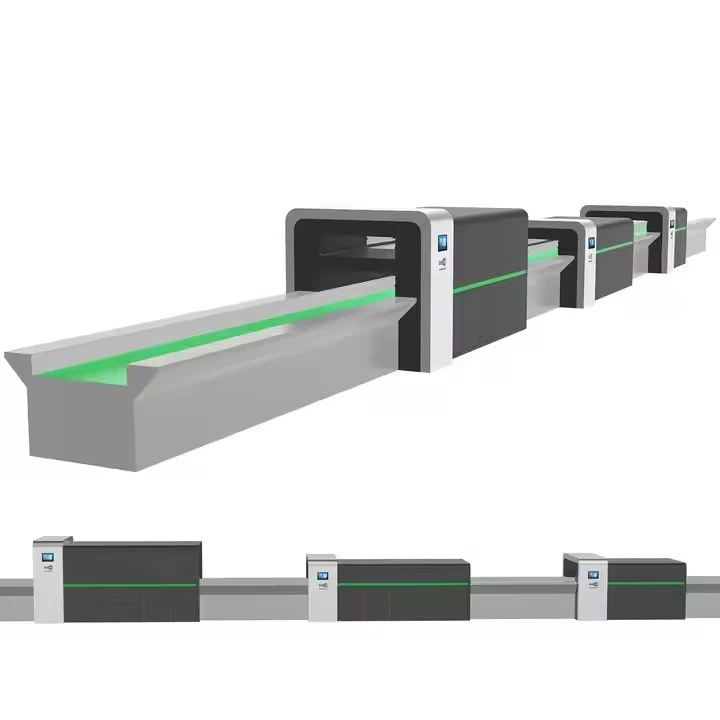
As a dryer heat pump supplier, we offer a wide range of products to meet different needs. For example, our Shoes Adhesive and Curing Dryer is designed specifically for the shoe industry. It has a drying capacity that's optimized for drying shoes and related materials, ensuring that the adhesive cures properly and the shoes are ready for the next stage of production.
Our Integral Closed Up Dryer is a great option for applications where you need to control the drying environment more precisely. It has a high drying capacity and can be used for a variety of materials, including textiles and plastics.
And if you're in the printing industry, our Printing Dryer Heat Pump is the perfect choice. It's designed to quickly dry printed materials, reducing the production time and improving the quality of the prints.
Choosing the Right Drying Capacity
When choosing a dryer heat pump, it's important to consider your specific needs. Think about the type and volume of materials you'll be drying, the environment where the heat pump will be operating, and your budget. If you're not sure which drying capacity is right for you, our team of experts is here to help. We can assess your requirements and recommend the best product for your situation.
Contact Us for Purchase and Negotiation
If you're interested in our dryer heat pumps and want to learn more about their drying capacities or make a purchase, we'd love to hear from you. Whether you're a small business owner looking for a cost - effective solution or a large industrial enterprise in need of high - capacity equipment, we have the products and expertise to meet your needs. Don't hesitate to reach out to us for more information and to start the negotiation process.
References
- Smith, J. (2020). Heat Pump Technology: Principles and Applications. Publisher X.
- Brown, A. (2019). Drying Processes in Industrial Applications. Publisher Y.