

Hey there! I'm a supplier of pprinting dryer heat pumps, and I'm super excited to dig into how these nifty machines handle heat transfer. Heat transfer is like the heartbeat of a pprinting dryer heat pump, making sure everything runs smoothly and efficiently.
Let's start with the basics. A pprinting dryer heat pump works on the principle of moving heat from one place to another. It's not about creating heat out of thin air; it's all about transferring it in a smart way. Think of it as a heat courier, picking up heat from one area and dropping it off where it's needed.
The first key player in this heat - transfer game is the evaporator. The evaporator is like a sponge for heat. It's filled with a special refrigerant, which is a substance that can easily change from a liquid to a gas and vice versa. When the refrigerant in the evaporator comes into contact with the surrounding air (or another heat source), it absorbs heat. This causes the refrigerant to evaporate, turning from a liquid into a gas. The heat that the refrigerant absorbs is taken from the environment around the evaporator. For example, in some setups, it could be taking heat from the outside air, even if it's a bit chilly.
Once the refrigerant has turned into a gas, it moves on to the compressor. The compressor is the muscle of the heat pump. It squeezes the refrigerant gas, increasing its pressure and temperature. This is where the real magic happens. By compressing the gas, we're concentrating the heat that the refrigerant picked up in the evaporator. It's like taking a bunch of scattered heat particles and packing them tightly together. The compressor uses a bit of electrical energy to do this job, but it's a small price to pay for the amount of heat we can move.
After the compressor does its thing, the high - pressure, high - temperature refrigerant gas moves to the condenser. The condenser is the opposite of the evaporator. Instead of absorbing heat, it releases heat. As the hot refrigerant gas flows through the condenser, it comes into contact with the air or material that needs to be dried in the pprinting process. The heat from the refrigerant is transferred to this air or material, warming it up. This is exactly what we want in a pprinting dryer. The warm air can then be used to dry the printed materials, removing moisture and ensuring a high - quality finish.

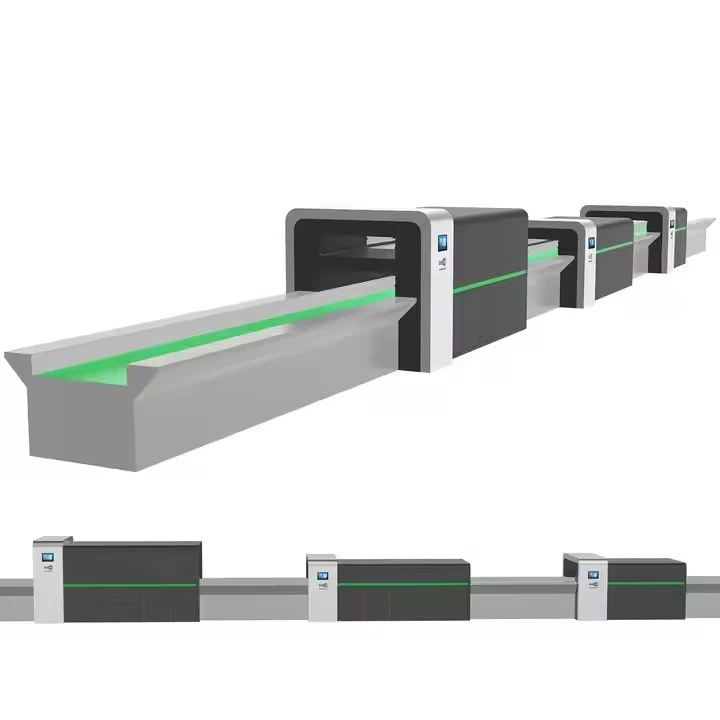
As the refrigerant releases its heat in the condenser, it starts to cool down and condense back into a liquid. This liquid refrigerant then passes through an expansion valve. The expansion valve is like a gatekeeper. It reduces the pressure of the refrigerant, allowing it to expand and cool down even further. This low - pressure, cool liquid refrigerant is then sent back to the evaporator to start the whole cycle over again.
Now, let's talk about some of the real - world applications of our pprinting dryer heat pumps and how heat transfer plays a crucial role.
One of our popular products is the Shoes Adhesive and Curing Dryer. In the shoe manufacturing process, proper drying of adhesives is essential. Our heat pump ensures that the heat is transferred evenly to the shoes, curing the adhesives effectively. The heat transfer process in this dryer makes sure that the shoes dry quickly and uniformly, preventing any issues like uneven bonding or warping.
Another great application is the Tobacco Leaf Dryer. Tobacco leaves need to be dried carefully to preserve their flavor and quality. Our heat pump can transfer heat in a controlled manner to the tobacco leaves. The evaporator can pick up heat from the surrounding environment, and the condenser can then release that heat gently to the tobacco leaves. This slow and steady heat transfer helps in maintaining the right moisture content and flavor profile of the tobacco.
We also have the Integral Closed Up Dryer. This dryer is designed to be a self - contained unit, and heat transfer is optimized within the closed system. The heat pump can recycle the heat within the dryer, making it very energy - efficient. The evaporator and condenser work in harmony to transfer heat from one part of the system to the area where the materials are being dried, ensuring a consistent and effective drying process.
One of the big advantages of our pprinting dryer heat pumps is their energy efficiency. Since we're mainly transferring heat rather than generating it from scratch, we use less energy compared to traditional heating methods. This not only saves money for our customers but also reduces the environmental impact. We're all about being green and efficient in today's world.
Another benefit is the precise control of heat transfer. We can adjust the temperature and the rate of heat transfer according to the specific requirements of different pprinting jobs. Whether it's a delicate fabric that needs gentle drying or a thick paper that can handle more heat, our heat pumps can be fine - tuned to get the job done right.
If you're in the market for a pprinting dryer heat pump, you'll be happy to know that our products are built to last. We use high - quality components in our heat pumps, so you don't have to worry about frequent breakdowns. The heat transfer systems are designed with reliability in mind, ensuring that your drying process runs smoothly day in and day out.
In conclusion, heat transfer is the core function of a pprinting dryer heat pump. From the evaporator that absorbs heat to the compressor that boosts it, the condenser that releases it, and the expansion valve that regulates it, every part plays a vital role. Our heat pumps are not only efficient and reliable but also customizable to meet the diverse needs of the pprinting industry.
If you're interested in learning more about our pprinting dryer heat pumps or want to discuss a specific project, we'd love to hear from you. Whether you're involved in shoe manufacturing, tobacco processing, or any other pprinting - related business, we have the solutions for you. Reach out to us, and let's start a conversation about how our heat pumps can improve your drying process.
References:
- "Heat Pump Technology Handbook"
- "Principles of Heat Transfer in Industrial Dryers"