

Hey there! As a supplier of Tobacco Leaf Dryer, I often get asked this question: Can a tobacco leaf dryer be used for other types of leaves? Well, let's dive right into it and explore this topic in detail.
How a Tobacco Leaf Dryer Works
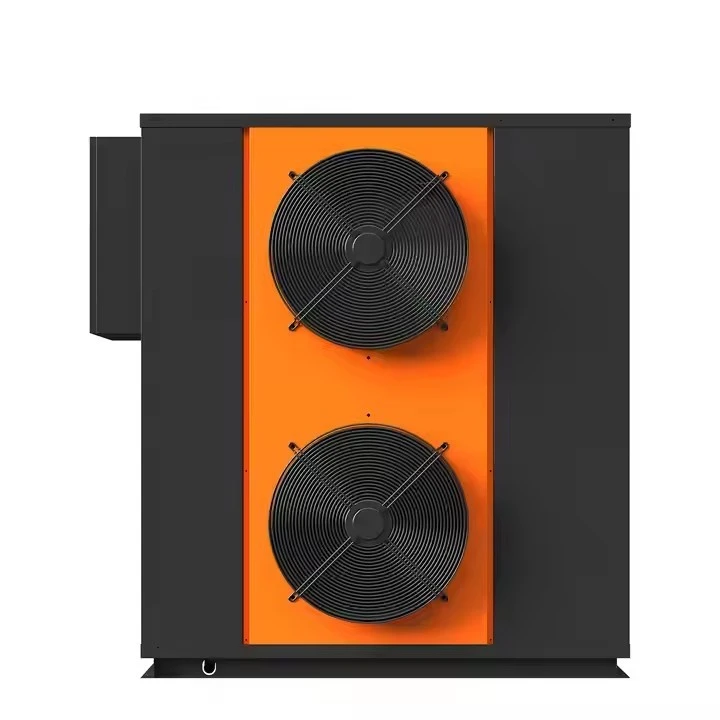
First off, let's understand how a tobacco leaf dryer operates. These dryers are designed to remove moisture from tobacco leaves efficiently. They usually use a combination of heat and airflow. The heat is generated either by a heat pump or other heating elements, and the airflow helps in evenly distributing the heat and carrying away the moisture.
The drying process is carefully controlled to maintain the quality of the tobacco leaves. The temperature, humidity, and drying time are all set according to the specific requirements of tobacco. For example, different varieties of tobacco may need slightly different drying conditions to bring out their best flavor and aroma.
Similarities Between Tobacco Leaves and Other Leaves
Now, when it comes to other types of leaves, there are some similarities. Most leaves, whether they are from herbs, tea plants, or other crops, contain moisture that needs to be removed for preservation and further processing. Just like tobacco leaves, the drying process helps to prevent mold growth, reduce the weight for storage and transportation, and sometimes enhance the flavor or medicinal properties.
For instance, tea leaves also require a controlled drying process. If the drying is too fast, the leaves may lose their flavor and nutritional value. If it's too slow, there's a risk of mold. Similarly, herb leaves like mint or basil need to be dried properly to retain their essential oils and flavors.
Factors to Consider
However, there are also some factors that we need to take into account when considering using a tobacco leaf dryer for other leaves.
Leaf Structure and Thickness
Different leaves have different structures and thicknesses. Tobacco leaves are relatively large and have a certain texture. Some other leaves, like delicate herb leaves, are much thinner and more fragile. The drying conditions that work well for tobacco may be too harsh for these delicate leaves. For example, if the temperature is set too high, the herb leaves may burn or lose their essential oils.
Chemical Composition
The chemical composition of leaves varies widely. Tobacco leaves contain nicotine and other specific compounds. Other leaves, such as tea leaves, have their own unique chemical makeup, including polyphenols and caffeine. The drying process can affect these chemical compounds differently. So, we need to adjust the drying parameters to ensure that the quality of the non - tobacco leaves is maintained.
Moisture Content
The initial moisture content of leaves can also be different. Some leaves may have a higher moisture content than tobacco leaves. This means that the drying time and the amount of heat required may need to be adjusted accordingly. If we use the same settings as for tobacco, the non - tobacco leaves may not be dried thoroughly or may be over - dried.
Success Stories of Using Tobacco Leaf Dryers for Other Leaves
Despite these challenges, there have been some success stories. In some small - scale farms, farmers have used tobacco leaf dryers to dry tea leaves. They made some adjustments to the drying process, such as lowering the temperature and reducing the airflow speed. By doing so, they were able to produce high - quality tea leaves.
Similarly, some herb growers have also experimented with tobacco leaf dryers. They found that by carefully controlling the drying conditions, they could dry herbs like rosemary and thyme effectively. This not only saved them the cost of buying a specialized herb dryer but also made the drying process more efficient.
Other Dryer Options from Our Company
If you're still not sure whether a tobacco leaf dryer is the right choice for your non - tobacco leaves, we also offer other dryer options. Our Grain Dryer Heat Pump can be a good alternative for some types of leaves. It provides a more gentle and controlled drying environment, which may be suitable for delicate leaves.
Another option is our Integral Closed Up Dryer. This dryer is designed to provide a closed - loop drying system, which can better control the humidity and temperature. It's a versatile option that can be used for a variety of leaves and other agricultural products.
Conclusion
So, can a tobacco leaf dryer be used for other types of leaves? The answer is yes, but with some adjustments. It's important to understand the characteristics of the leaves you want to dry and make the necessary changes to the drying process.
If you're interested in our dryers or have any questions about using them for different types of leaves, don't hesitate to reach out. We're here to help you find the best drying solution for your needs. Whether you're a small - scale farmer or a large - scale agricultural business, we can provide you with the right equipment and technical support.
Let's work together to ensure that your leaves are dried to perfection!

References
- Smith, J. (2018). Agricultural Drying Technology. Publisher Name.
- Brown, A. (2019). The Chemistry of Leaves and Drying Processes. Journal of Agricultural Science, 25(3), 123 - 135.