

Hey there! As a supplier of Grain Dryer Heat Pumps, I've seen firsthand how ambient temperature can play a huge role in the performance of these machines. Let's dig into it and see what's going on.
How Ambient Temperature Affects Heat Absorption
First off, a heat pump in a grain dryer works by absorbing heat from the surrounding environment and then transferring it to the grains to dry them. The ambient temperature is like the raw material for this heat - gathering process. When the ambient temperature is high, there's more heat energy floating around in the air. This means the heat pump can easily absorb a large amount of heat. It's like having a big buffet of heat to choose from.
On the flip side, when the ambient temperature drops, there's less heat available. The heat pump has to work harder to find and collect that precious heat. It's similar to searching for a few crumbs in a nearly empty room. In low - temperature conditions, the heat pump may struggle to reach the required heating capacity. This can lead to longer drying times for the grains, which is a real pain for farmers and grain processors.
Let me give you an example. Say you're using our grain dryer heat pump in a hot summer day with an ambient temperature of around 30°C (86°F). The heat pump can quickly absorb heat and transfer it to the grains. The drying process can be completed in a relatively short time, maybe a few hours depending on the quantity of grains. But if it's a cold winter day with an ambient temperature of 5°C (41°F), the heat pump will take much longer to dry the same amount of grains. It might take twice as long or even more.

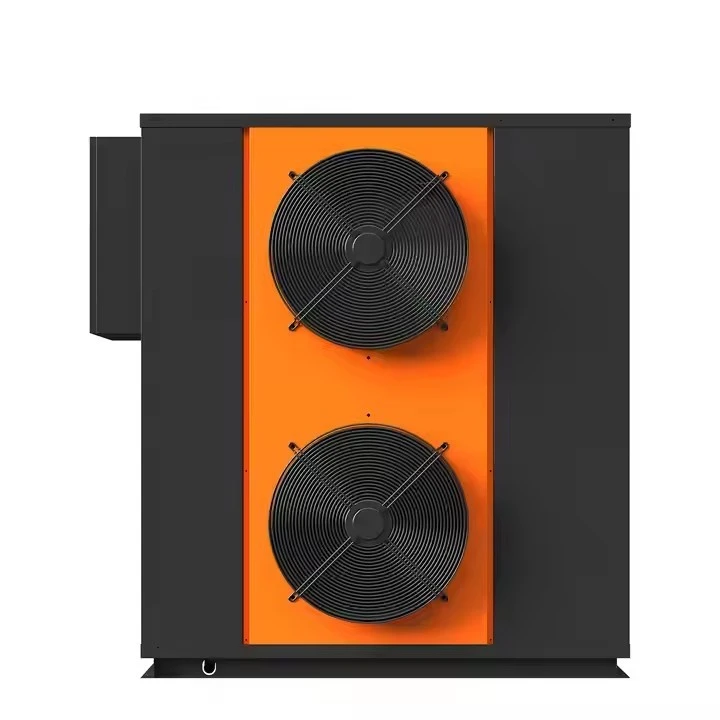
Impact on Energy Efficiency
Energy efficiency is another big deal when it comes to grain dryer heat pumps. At higher ambient temperatures, the heat pump operates more efficiently. This is because it doesn't have to use as much energy to absorb heat. The heat is readily available, so the compressor and other components of the heat pump don't have to work as hard. As a result, the power consumption is lower, which saves money on electricity bills.
When the ambient temperature is low, the heat pump has to increase its power output to absorb enough heat. The compressor has to run at a higher speed and work longer hours. This leads to increased energy consumption. In some cases, the energy efficiency can drop significantly. For instance, at an ambient temperature of 10°C (50°F), the energy efficiency of a grain dryer heat pump might be around 70% of what it is at 25°C (77°F).
This drop in energy efficiency not only costs more in terms of energy bills but also has an environmental impact. More energy consumption means more carbon emissions, which is something we're all trying to reduce these days.
Effects on Humidity Removal
Humidity removal is a crucial part of the grain drying process. Ambient temperature also affects how well a grain dryer heat pump can remove humidity from the grains. In high - temperature environments, the air can hold more moisture. When the heat pump heats the air and blows it through the grains, the moisture in the grains evaporates more easily. The warm air can carry the moisture away, and the dehumidification process is more effective.
However, in low - temperature conditions, the air has a lower capacity to hold moisture. The heat pump may have a harder time removing humidity from the grains. Even if the heat pump can heat the air to a certain temperature, the cold ambient air outside can quickly cool down the air inside the dryer. This can cause the moisture to condense back onto the grains, undoing some of the drying work.
Adaptability and Solutions
Now, you might be wondering what can be done to deal with these temperature - related issues. Well, at our company, we've designed our grain dryer heat pumps to be as adaptable as possible. Our heat pumps are equipped with advanced compressors and control systems that can adjust to different ambient temperatures.
For low - temperature environments, we offer models with additional heating elements. These elements can provide extra heat when the ambient temperature is too low for the heat pump to work efficiently on its own. This helps to maintain a consistent drying temperature and reduces the drying time.
We also provide insulation options for the dryer units. Insulation can help to keep the heat inside the dryer, preventing the cold ambient air from affecting the drying process. This is especially useful in regions with cold climates.
Other Applications and Related Products
By the way, our heat pump technology isn't just limited to grain drying. We also have Pepper Dryer Heat Pump for drying peppers. Peppers need to be dried at a specific temperature and humidity level to preserve their flavor and quality. Our pepper dryer heat pump can achieve this effectively, regardless of the ambient temperature.
We also offer Tobacco Leaf Dryer. Tobacco leaves are very sensitive to drying conditions. The right temperature and humidity control are essential to produce high - quality tobacco. Our tobacco leaf dryer can handle different ambient temperatures and ensure a perfect drying process.
And for the printing industry, we have the Printing Dryer Heat Pump. It can dry printed materials quickly and efficiently, taking into account the ambient temperature of the printing environment.
Contact Us for Your Needs
If you're in the market for a grain dryer heat pump or any of our other drying products, we'd love to hear from you. Whether you're a farmer, a grain processor, or someone in the printing or food industry, we have the right solution for you. The ambient temperature in your area doesn't have to be a problem. Our products are designed to perform well in a wide range of temperatures.
Don't hesitate to reach out to us for more information, a quote, or to discuss your specific requirements. We're here to help you get the most efficient and effective drying solution for your business.
References
- Smith, J. (2020). "The Impact of Environmental Conditions on Heat Pump Performance". Journal of Thermal Science and Engineering Applications.
- Johnson, R. (2019). "Optimizing Grain Drying Processes with Heat Pumps". Agricultural Engineering Journal.