

Measuring the effectiveness of an air conditioner in a barn is crucial for ensuring optimal conditions for livestock, equipment, and stored products. As a supplier of Air Conditioner for Barn, I understand the significance of accurate assessment. In this blog post, I'll share some key methods and considerations for evaluating the performance of air conditioners in barn settings.
Understanding the Barn Environment
Before diving into the measurement process, it's essential to have a clear understanding of the barn environment. Barns come in various sizes, shapes, and uses, which can significantly impact the effectiveness of an air conditioner. Factors such as the barn's insulation, ventilation, and the number of animals or equipment inside play a crucial role in determining the cooling requirements.
For instance, a large dairy barn with poor insulation will require a more powerful air conditioner compared to a small storage barn with good insulation. Additionally, proper ventilation is essential to remove heat and moisture from the barn, preventing the buildup of humidity and ensuring a comfortable environment for livestock.
Key Performance Indicators (KPIs)
To measure the effectiveness of an air conditioner in a barn, several key performance indicators (KPIs) can be used. These KPIs provide valuable insights into the system's performance and help identify areas for improvement.
Temperature Reduction
One of the primary goals of an air conditioner in a barn is to reduce the temperature to a comfortable level. Measuring the temperature before and after the air conditioner is turned on can provide a clear indication of its effectiveness. Use a reliable thermometer to record the temperature at multiple locations in the barn, including near the air conditioner vents and in areas where livestock or equipment are located.
A significant temperature reduction indicates that the air conditioner is working efficiently. However, it's important to note that the temperature reduction may vary depending on the size of the barn, the insulation, and the outdoor temperature.
Humidity Control
In addition to temperature reduction, humidity control is also crucial in a barn environment. High humidity can lead to the growth of mold and bacteria, which can pose health risks to livestock and damage equipment. An effective air conditioner should be able to reduce the humidity levels in the barn to a comfortable range.
Use a hygrometer to measure the humidity levels before and after the air conditioner is turned on. Aim for a relative humidity level between 40% and 60%. If the humidity levels remain high, it may indicate that the air conditioner is not working properly or that there is a ventilation issue in the barn.
Airflow Distribution
Proper airflow distribution is essential for ensuring that the cooled air reaches all areas of the barn. Poor airflow can result in hot spots and uneven temperature distribution, which can affect the comfort of livestock and the performance of equipment.
To measure the airflow distribution, use an anemometer to measure the air velocity at multiple locations in the barn. The air velocity should be consistent throughout the barn, with no areas of stagnant air. If there are areas with low air velocity, it may indicate that the air conditioner vents are blocked or that the ductwork needs to be adjusted.
Energy Efficiency
Energy efficiency is an important consideration when evaluating the effectiveness of an air conditioner in a barn. A more energy-efficient system will not only reduce operating costs but also have a lower environmental impact.
To measure the energy efficiency of the air conditioner, use an energy meter to record the electricity consumption over a specific period. Compare the energy consumption to the cooling capacity of the system to calculate the energy efficiency ratio (EER). A higher EER indicates a more energy-efficient system.
Measurement Tools and Techniques
To accurately measure the effectiveness of an air conditioner in a barn, several tools and techniques can be used. These tools and techniques provide reliable data and help ensure that the measurement process is accurate and consistent.
Thermometers
Thermometers are essential for measuring the temperature in the barn. Use a digital thermometer with a high degree of accuracy to record the temperature at multiple locations. Place the thermometers at different heights and distances from the air conditioner vents to get a comprehensive understanding of the temperature distribution.
Hygrometers
Hygrometers are used to measure the humidity levels in the barn. Choose a hygrometer that is accurate and reliable, and place it in a central location in the barn. Record the humidity levels at regular intervals to monitor the performance of the air conditioner.
Anemometers
Anemometers are used to measure the air velocity in the barn. Use an anemometer with a high degree of accuracy to measure the air velocity at multiple locations. Place the anemometer at different heights and distances from the air conditioner vents to get a comprehensive understanding of the airflow distribution.
Energy Meters
Energy meters are used to measure the electricity consumption of the air conditioner. Choose an energy meter that is compatible with the air conditioner and can accurately measure the electricity consumption over a specific period. Record the electricity consumption at regular intervals to monitor the energy efficiency of the system.
Considerations for Different Types of Air Conditioners
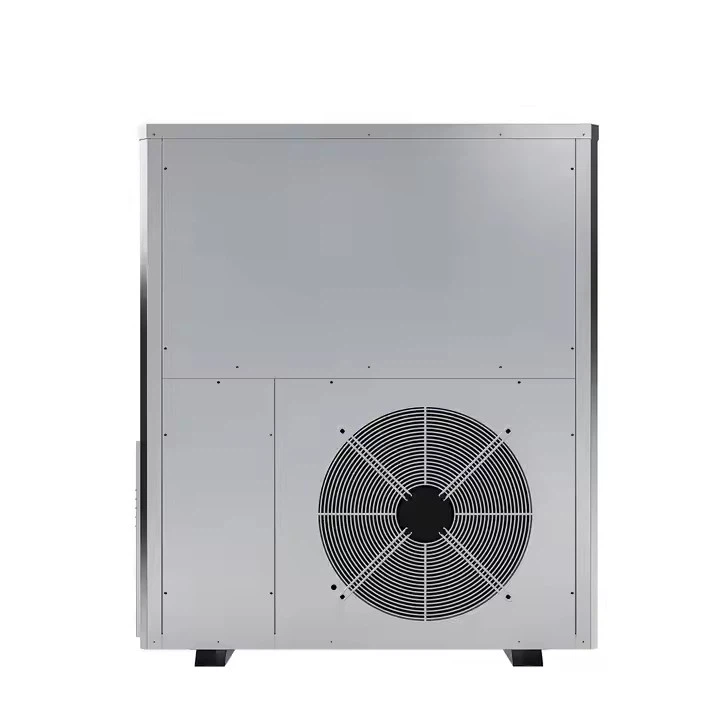
There are several types of air conditioners available for barns, each with its own advantages and disadvantages. When measuring the effectiveness of an air conditioner, it's important to consider the specific type of system being used.
ON/OFF Air Condioner
ON/OFF air conditioners are the most common type of air conditioner used in barns. These systems work by turning on and off based on the temperature settings. When the temperature in the barn reaches the set point, the air conditioner turns on and cools the air. When the temperature drops below the set point, the air conditioner turns off.
Measuring the effectiveness of an ON/OFF air conditioner can be challenging because the system is constantly cycling on and off. To get an accurate measurement, it's important to record the temperature and humidity levels over a longer period and calculate the average values.
Domestic Air Conditioner
Domestic air conditioners are designed for use in residential settings and may not be suitable for barns. These systems are typically smaller and less powerful than commercial air conditioners, and they may not be able to provide sufficient cooling for a large barn.
If a domestic air conditioner is being used in a barn, it's important to carefully consider its capacity and performance. Measure the temperature and humidity levels regularly to ensure that the system is working effectively. If the system is unable to meet the cooling requirements, it may be necessary to upgrade to a more powerful commercial air conditioner.

Conclusion
Measuring the effectiveness of an air conditioner in a barn is essential for ensuring optimal conditions for livestock, equipment, and stored products. By using the key performance indicators (KPIs) and measurement tools and techniques outlined in this blog post, you can accurately evaluate the performance of your air conditioner and identify areas for improvement.
As a supplier of Air Conditioner for Barn, I'm committed to providing high-quality products and services that meet the needs of our customers. If you have any questions or need assistance with measuring the effectiveness of your air conditioner, please don't hesitate to contact us. We'll be happy to help you find the right solution for your barn.
References
- ASHRAE Handbook - Fundamentals. American Society of Heating, Refrigerating and Air-Conditioning Engineers, Inc.
- Livestock Environment Handbook. Midwest Plan Service.
- Energy Star: Commercial HVAC. U.S. Environmental Protection Agency.