

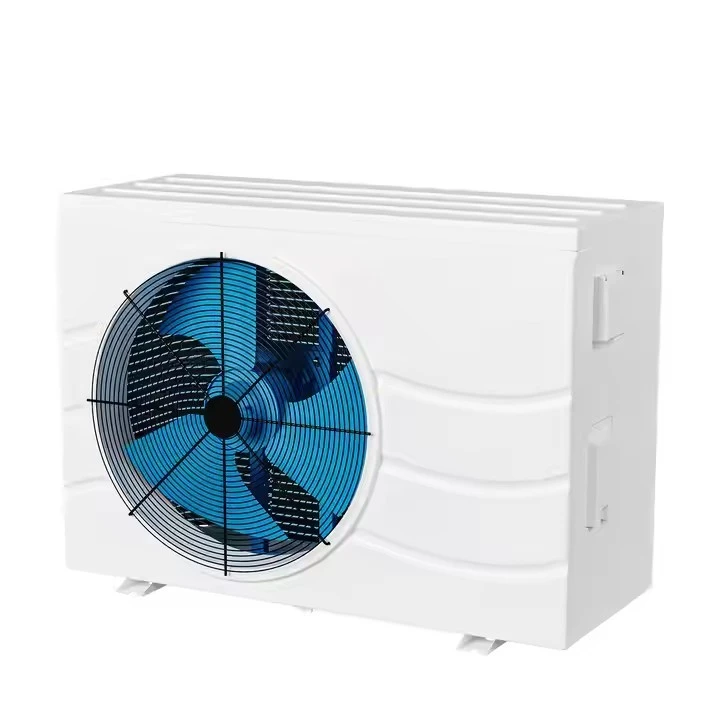
As a supplier of Commercial SPA Heat Pumps, I understand the critical role that proper water flow plays in the efficient operation of these systems. In this blog post, I'll share some insights on how to ensure proper water flow for a commercial SPA heat pump, drawing on my experience in the industry.
Understanding the Importance of Water Flow
Before delving into the ways to ensure proper water flow, it's essential to understand why it matters. Adequate water flow is crucial for several reasons. Firstly, it ensures that the heat pump can transfer heat effectively. The heat pump works by extracting heat from the water and transferring it to the SPA water. If the water flow is insufficient, the heat transfer process will be inefficient, leading to longer heating times and increased energy consumption.
Secondly, proper water flow helps to prevent damage to the heat pump components. Insufficient water flow can cause the heat exchanger to overheat, leading to premature failure. It can also cause the compressor to work harder than necessary, reducing its lifespan.
Finally, maintaining proper water flow is essential for the comfort and safety of the SPA users. A well - circulated water system ensures that the water temperature is consistent throughout the SPA, providing a more enjoyable experience. It also helps to prevent the growth of bacteria and other contaminants by keeping the water moving.
Sizing the Pumps Correctly
One of the first steps in ensuring proper water flow is to size the pumps correctly. The pump is responsible for circulating the water through the heat pump and the SPA. If the pump is too small, it will not be able to provide the necessary water flow. On the other hand, if the pump is too large, it will consume more energy than necessary and may cause excessive wear and tear on the system.

When sizing the pump, several factors need to be considered. The size of the SPA is a crucial factor. Larger SPAs require more water flow to maintain proper circulation. The length and diameter of the piping also play a role. Longer and narrower pipes create more resistance, which can reduce the water flow. The number of water features in the SPA, such as jets and waterfalls, also needs to be taken into account, as these require additional water flow.
To determine the appropriate pump size, it's recommended to consult with a professional. They can perform a detailed analysis of the SPA system and recommend a pump that is properly sized for the specific application.
Installing the Piping Properly
Proper piping installation is another critical aspect of ensuring proper water flow. The piping should be installed in a way that minimizes resistance and allows for smooth water flow.
Firstly, the piping should be sized correctly. As mentioned earlier, the diameter of the pipe affects the water flow. Using pipes that are too small can restrict the water flow, while using pipes that are too large can be wasteful and may not provide the necessary velocity for proper circulation.
Secondly, the piping should be installed with as few bends and elbows as possible. Each bend and elbow in the piping creates resistance, which can reduce the water flow. When bends are necessary, they should be smooth and gradual to minimize the resistance.
Finally, the piping should be properly supported. Unsupported piping can sag over time, creating low spots where air can accumulate. Air pockets in the piping can disrupt the water flow and cause damage to the pump and other components.
Maintaining the Filters
Filters play a vital role in maintaining proper water flow. They are designed to remove debris and contaminants from the water, preventing them from clogging the heat pump and other components. However, if the filters are not maintained properly, they can become clogged, reducing the water flow.
Regularly cleaning or replacing the filters is essential. The frequency of filter maintenance depends on several factors, such as the usage of the SPA and the quality of the water. In general, it's recommended to clean or replace the filters at least once a month.
When cleaning the filters, it's important to follow the manufacturer's instructions. Some filters can be cleaned with a hose, while others may need to be soaked in a cleaning solution. If the filters are damaged or worn out, they should be replaced immediately.
Monitoring the Water Flow
Regularly monitoring the water flow is an important part of ensuring proper operation of the commercial SPA heat pump. There are several ways to monitor the water flow.
One way is to use a flow meter. A flow meter measures the volume of water flowing through the system. By regularly checking the flow meter readings, you can detect any changes in the water flow and take appropriate action.
Another way is to observe the performance of the heat pump. If the heat pump is taking longer than usual to heat the water or if the water temperature is not consistent, it may be a sign of insufficient water flow.
You can also listen for any unusual noises coming from the pump or the piping. Unusual noises, such as rattling or humming, can indicate a problem with the water flow, such as air in the system or a blockage.
Troubleshooting Water Flow Issues
Even with proper installation and maintenance, water flow issues can still occur. Here are some common water flow problems and how to troubleshoot them.
Blockages: Blockages can occur in the piping, filters, or heat exchanger. If you suspect a blockage, start by checking the filters. If the filters are clean, you may need to inspect the piping for any debris or obstructions. You can use a plumbing snake or a high - pressure water jet to clear the blockage.
Air in the System: Air in the system can cause reduced water flow and make the pump work harder. To remove air from the system, you can bleed the air from the pump and the piping. Most pumps have a bleed valve that can be opened to release the air.
Pump Problems: If the pump is not working properly, it can cause water flow issues. Check the pump for any signs of damage, such as leaks or unusual noises. If the pump is not running at all, check the power supply and the pump's electrical connections.
Conclusion
Ensuring proper water flow for a commercial SPA heat pump is essential for its efficient operation, longevity, and the comfort of the SPA users. By sizing the pumps correctly, installing the piping properly, maintaining the filters, monitoring the water flow, and troubleshooting any issues promptly, you can ensure that your commercial SPA heat pump operates at its best.
If you are in the market for a Commercial SPA Heat Pump, Domestic Swimming Pool Heat Pump or Mini Pool Heat Pump, I encourage you to reach out to discuss your specific needs. I'm here to provide you with the best solutions for your SPA heating requirements.
References
- "Swimming Pool and Spa Handbook" by Jack R. Bishop
- "Heat Pump Systems Design and Installation Guide" by ASHRAE