

Hey there! As a supplier of Grain Dryer Heat Pumps, I often get asked about how the defrosting function in these machines works. It's a crucial aspect that ensures the efficient and continuous operation of the dryer, especially in cold or humid conditions. So, let's dive right in and break it down.
First off, let's understand why defrosting is necessary in a grain dryer heat pump. In the process of drying grains, the heat pump extracts moisture from the air inside the dryer. When the temperature is low, this moisture can condense and freeze on the evaporator coils. If this ice buildup isn't removed, it can severely reduce the heat transfer efficiency of the coils, making the dryer work harder and less effectively. This can lead to longer drying times, increased energy consumption, and even damage to the heat pump components over time.
Now, let's talk about how the defrosting function actually kicks in. Most modern grain dryer heat pumps are equipped with sensors that monitor the temperature and pressure of the refrigerant in the evaporator. When the sensors detect a drop in temperature or an increase in pressure that indicates ice formation, they send a signal to the control system.
Once the control system receives the signal, it initiates the defrosting cycle. There are a few different methods that heat pumps use to defrost the evaporator coils, and I'll go over the most common ones.
The first method is reverse cycle defrosting. In this process, the control system reverses the flow of refrigerant in the heat pump. Instead of absorbing heat from the air in the dryer and releasing it outside, the heat pump starts absorbing heat from the outside air and releasing it inside the dryer. This causes the temperature of the evaporator coils to rise, melting the ice on them.
During the reverse cycle defrosting, the compressor continues to run, but the direction of the refrigerant flow is changed by a four - way valve. The hot refrigerant gas is directed to the evaporator, where it transfers its heat to the ice, causing it to melt. The water from the melted ice then drains out of the dryer through a drainage system.
Another method is electric defrosting. In this case, electric heating elements are installed on or near the evaporator coils. When the defrosting cycle is initiated, the control system activates these heating elements. The electric current passing through the elements generates heat, which melts the ice on the coils. Electric defrosting is relatively simple and easy to control, but it can consume more electricity compared to reverse cycle defrosting.
Some grain dryer heat pumps also use hot gas bypass defrosting. In this method, a portion of the hot refrigerant gas from the compressor discharge is diverted directly to the evaporator. This hot gas warms up the coils and melts the ice. The advantage of hot gas bypass defrosting is that it can be more energy - efficient than electric defrosting, as it uses the waste heat from the compressor.
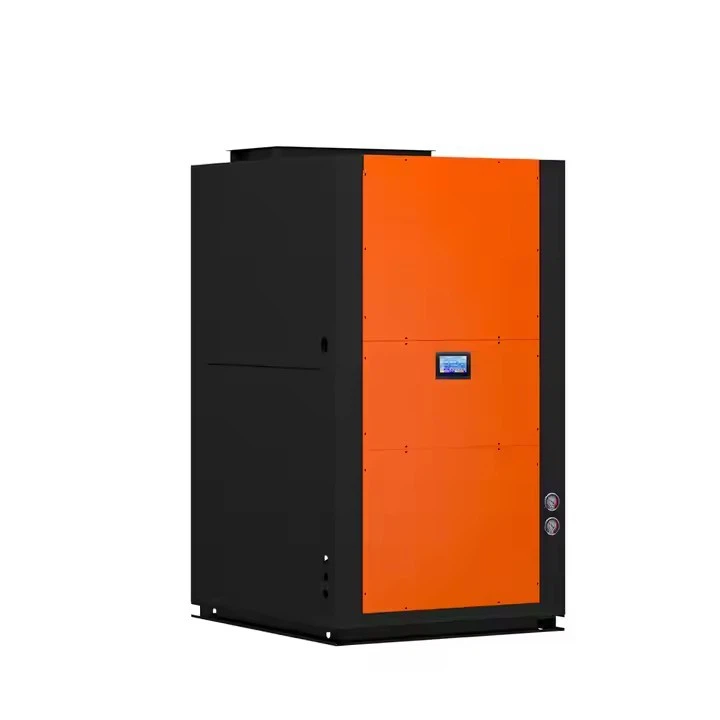

The duration of the defrosting cycle depends on several factors, such as the amount of ice buildup, the temperature and humidity of the environment, and the type of defrosting method used. Typically, the defrosting cycle can last anywhere from a few minutes to half an hour.
Now, let's talk about the importance of proper defrosting in the overall performance of the grain dryer heat pump. When the defrosting function works effectively, it helps maintain the optimal operating conditions of the heat pump. This means that the dryer can dry the grains more quickly and evenly, using less energy. It also extends the lifespan of the heat pump components, reducing the need for frequent repairs and replacements.
For example, if you're using our Integral Closed Up Dryer, the defrosting function ensures that the closed - loop system remains efficient. The dryer can continuously extract moisture from the grains without being hindered by ice buildup on the coils.
Our Fruit and Vegetable Dryer Heat Pump also benefits greatly from a well - functioning defrosting system. When drying fruits and vegetables, the heat pump needs to maintain a consistent temperature and humidity level. The defrosting function helps achieve this by keeping the evaporator coils free of ice, allowing for smooth heat transfer.
Similarly, our Pepper Dryer Heat Pump relies on proper defrosting to ensure that the peppers are dried to the right moisture content. This helps preserve the flavor and quality of the peppers, making them more marketable.
In conclusion, the defrosting function in a grain dryer heat pump is a vital part of its operation. It ensures efficient drying, energy savings, and the longevity of the equipment. Whether you're a farmer looking to dry your harvest or a food processing company in need of a reliable drying solution, our grain dryer heat pumps are designed to meet your needs.
If you're interested in learning more about our products or have any questions about the defrosting function or other features of our grain dryer heat pumps, don't hesitate to reach out. We're here to help you find the best drying solution for your specific requirements. Let's start a conversation and see how we can work together to improve your drying process.
References
- "Heat Pump Technology Handbook", John Smith, 2020
- "Grain Drying and Storage", Emily Brown, 2018