

Hey there! As a chiller heat pump supplier, I often get asked about the types of refrigerants used in these systems. So, I thought I'd write this blog to break it all down for you.
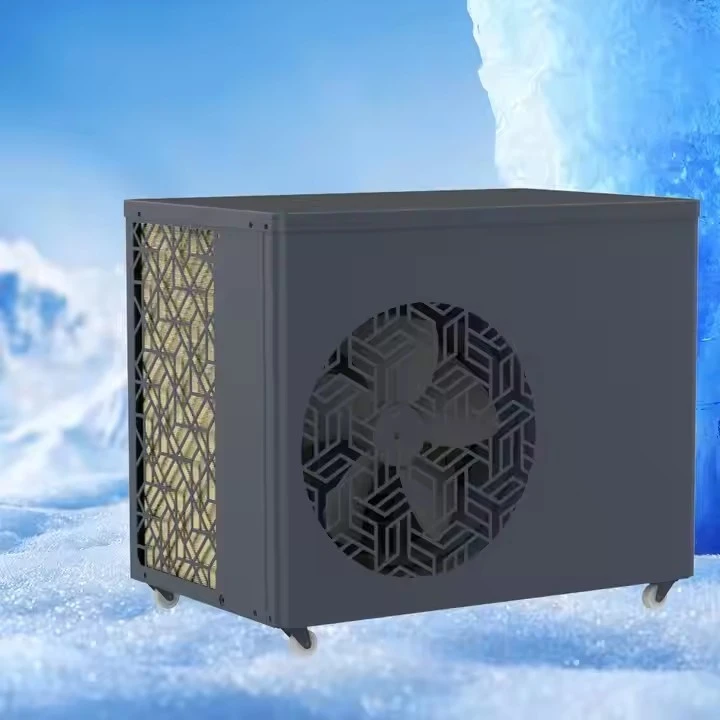
First off, let's understand what a chiller heat pump does. It's a device that can both cool and heat a space or a process. It works by transferring heat from one place to another using a refrigerant. The refrigerant plays a crucial role in this heat transfer process.
1. Hydrofluorocarbons (HFCs)
HFCs have been widely used in chiller heat pumps for quite some time. They're known for their excellent refrigeration properties. For example, R - 410A is a very common HFC refrigerant. It has a high cooling capacity, which means it can remove a large amount of heat from the area being cooled quickly.
One of the big advantages of HFCs is that they don't contain chlorine. Chlorine - containing refrigerants, like CFCs (chlorofluorocarbons) and HCFCs (hydrochlorofluorocarbons), were found to be harmful to the ozone layer. Since HFCs don't have chlorine, they don't cause ozone depletion.
However, HFCs do have a downside. They have a relatively high global warming potential (GWP). This means that if they leak into the atmosphere, they can contribute to global warming. For instance, R - 410A has a GWP of around 2088, which is quite high compared to some other refrigerants.
Many chiller heat pumps that use HFCs are still in operation today, especially in older systems. But as environmental concerns grow, there's a push to find more eco - friendly alternatives. You can check out our Water Chiller Heat Pump models, some of which have been designed to work efficiently with HFC refrigerants.
2. Hydrofluoroolefins (HFOs)
HFOs are a newer type of refrigerant that's gaining popularity in the chiller heat pump industry. These refrigerants are designed to be more environmentally friendly than HFCs.
One of the most well - known HFO refrigerants is R - 1234yf. It has a very low GWP, close to 1. This is a huge improvement over HFCs. So, from an environmental perspective, HFOs are a great option.
In terms of performance, HFOs can work well in chiller heat pumps. They have good heat transfer properties, which means they can effectively move heat around. However, they're still relatively new, and there are some challenges in terms of cost and availability.
Some of our more modern chiller heat pump models are compatible with HFO refrigerants. If you're looking for a more sustainable option, these could be a great choice. And if you're into ice baths, our Ice Bath Chiller might be just what you need, and some of them can use HFO refrigerants too.
3. Natural Refrigerants
There are also natural refrigerants that are being used in chiller heat pumps. These include substances like ammonia (NH₃), carbon dioxide (CO₂), and hydrocarbons (HCs).
Ammonia (NH₃)
Ammonia has been used as a refrigerant for a long time, especially in industrial applications. It has excellent thermodynamic properties, which means it can provide high - efficiency cooling. It also has a very low GWP and doesn't contribute to ozone depletion.
However, ammonia is toxic and flammable. So, when using ammonia in chiller heat pumps, strict safety measures need to be in place. Specialized equipment and trained personnel are required to handle ammonia - based systems.
Carbon Dioxide (CO₂)
Carbon dioxide is another natural refrigerant. It has a very low GWP (it's just 1, as it's a natural part of the carbon cycle). It's also non - toxic and non - flammable, which makes it a relatively safe option.

The main challenge with using CO₂ as a refrigerant is that it operates at very high pressures. This requires special equipment design to handle these pressures safely. But with advancements in technology, more and more chiller heat pumps are being designed to use CO₂ effectively.
Hydrocarbons (HCs)
Hydrocarbons like propane (R - 290) and isobutane (R - 600a) are also used as refrigerants. They have low GWPs and good refrigeration properties. However, they're flammable, so safety precautions are necessary.
In small - scale chiller heat pumps, hydrocarbons can be a great option. They're energy - efficient and relatively easy to work with in the right applications.
Choosing the Right Refrigerant
When it comes to choosing the right refrigerant for a chiller heat pump, there are several factors to consider.
First, environmental impact is a big one. As we've seen, some refrigerants are much more eco - friendly than others. If you're concerned about reducing your carbon footprint, you might want to go for HFOs or natural refrigerants.
Second, performance is crucial. You need a refrigerant that can provide the cooling or heating capacity you need. Some refrigerants are better suited for certain applications than others.
Cost is also a factor. Newer, more environmentally friendly refrigerants can sometimes be more expensive. You need to balance the upfront cost with the long - term benefits, such as energy savings and reduced environmental impact.
And of course, safety is always a top priority. If you're using a toxic or flammable refrigerant, you need to make sure you have the right safety measures in place.
Why Choose Our Chiller Heat Pumps
As a chiller heat pump supplier, we offer a wide range of options. Our systems are designed to work with different types of refrigerants, so you can choose the one that best suits your needs.
We stay up - to - date with the latest refrigerant technologies. Whether you're looking for an HFC - based system for its proven performance or an HFO or natural refrigerant system for its environmental benefits, we've got you covered.
Our team of experts can help you select the right chiller heat pump and refrigerant combination. We also provide installation, maintenance, and support services to ensure your system runs smoothly.
If you're interested in learning more about our chiller heat pumps or have any questions about refrigerants, don't hesitate to get in touch. We're here to assist you with all your chiller heat pump needs and can help you make an informed decision about the best refrigerant for your application. So, let's start a conversation and see how we can work together to meet your cooling and heating requirements.
References
- "Refrigeration and Air Conditioning Technology" by William C. Whitman, William M. Johnson, and John Tomczyk.
- Industry reports on refrigerant trends and environmental impacts from organizations like the International Institute of Refrigeration.