

Yo, what's up! I'm a supplier of Domestic Hot Water Heat Pumps, and today I wanna walk you through the installation process of these nifty devices.
First off, let's talk a bit about why domestic hot water heat pumps are such a great deal. They're energy - efficient, environmentally friendly, and can save you a ton of money on your energy bills in the long run. Plus, they can provide a steady supply of hot water for your daily needs, whether it's taking a relaxing shower or doing the dishes.
Preparation Before Installation
Site Selection
The first step in the installation process is to choose the right location for your heat pump. You need to find a spot that's well - ventilated. Heat pumps work by extracting heat from the air, so a place with good airflow is crucial. For instance, an outdoor space like a backyard, a side courtyard, or even a well - ventilated shed can be a great choice. Make sure the area is flat and strong enough to support the weight of the heat pump. Also, it should be away from any sources of heat, like direct sunlight for long periods or a nearby furnace, as this can affect its performance.
Checking Requirements
Before you start installing, you gotta check all the requirements. You'll need to make sure you have the right electrical supply. Most domestic hot water heat pumps operate on standard household electricity, but it's always a good idea to double - check the voltage and amperage requirements in the user manual. Also, check the water connections. You'll need to connect the heat pump to your existing water supply and the hot water storage tank. Measure the distances between the heat pump, the water source, and the tank to make sure you have the right length of pipes.
Installation Steps
Mounting the Heat Pump
Once you've got the perfect location, it's time to mount the heat pump. If you're installing it outdoors, you might need a mounting bracket. Follow the manufacturer's instructions carefully to attach the bracket securely to the wall or the ground. Then, lift the heat pump onto the bracket and use the appropriate bolts or screws to fasten it in place. Make sure it's level and stable. If it's not, it could cause vibrations and noise during operation, and even affect its efficiency.
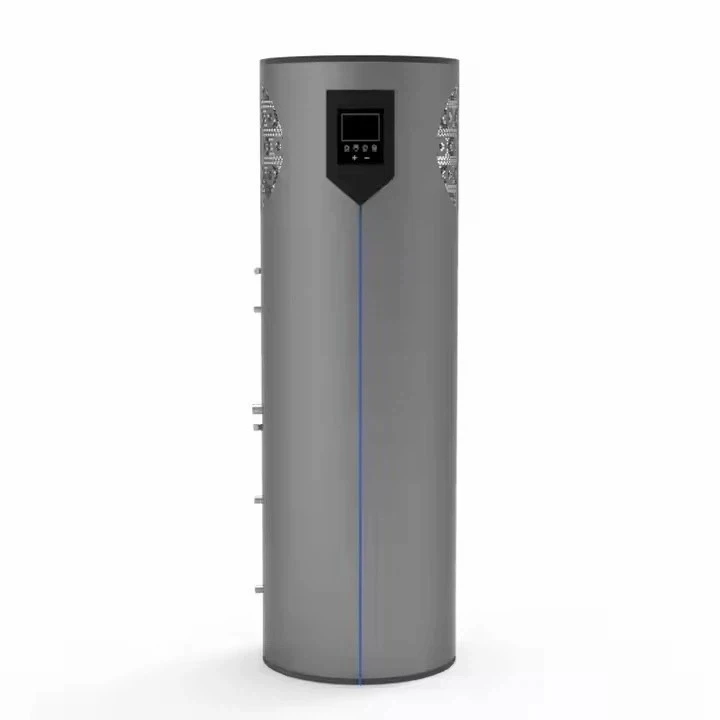

Connecting the Water Pipes
Now comes the water connection part. You'll have two main pipes: one for the cold water inlet and one for the hot water outlet. Connect the cold water inlet pipe to your main water supply. You can use a flexible hose or a rigid pipe, depending on your setup. Make sure the connection is tight to prevent any leaks. Then, connect the hot water outlet pipe to your existing hot water storage tank. Again, ensure a secure and leak - free connection. You might need to use some pipe tape or a special sealant to make sure everything is airtight.
Electrical Wiring
This step is super important, and if you're not confident with electrical work, it's best to hire a professional electrician. First, turn off the power supply to the area where you'll be installing the heat pump. Then, follow the wiring diagram in the user manual to connect the heat pump to the electrical supply. Usually, you'll need to connect the wires to the appropriate terminals inside the electrical box on the heat pump. Make sure all the connections are tight and insulated properly to avoid any electrical hazards. Once you've made the connections, double - check everything and then turn the power back on.
Testing
After you've completed all the connections, it's time to test the heat pump. Fill the hot water storage tank with water. You can do this by opening the cold water valve and letting the water flow into the tank until it's full. Then, turn on the heat pump and set the desired water temperature. Give it some time to start working. You'll notice the water temperature gradually rising. Check for any leaks around the water pipes or electrical connections. If everything seems to be in order, and the water is heating up as expected, then your domestic hot water heat pump is installed and ready to use!
Benefits of Our Products
As a supplier, I can tell you that our domestic hot water heat pumps are top - notch. They come with advanced technology that maximizes energy efficiency, so you can lower your carbon footprint while saving money. Our All - In - One models are super convenient, combining all the necessary components into a single unit, which makes installation even easier. And if you're looking for a more integrated solution for your home, our Domestic Integrated Water Heater is a great option.
We also have Commercial Hot Water Heat Pump for larger - scale applications. Whether you run a hotel, a restaurant, or a small business, our commercial models can meet your high - demand hot water needs efficiently.
Contact Us for Purchase
If you're interested in getting a domestic hot water heat pump for your home, or a commercial one for your business, don't hesitate to reach out. We're here to answer all your questions, help you choose the right model, and guide you through the installation process if needed. Our team of experts is always ready to assist you in making the best decision for your hot water needs.
References
- [Manufacturer's Installation Manuals for Domestic Hot Water Heat Pumps]
- [Industry Standards for Heat Pump Installation]