

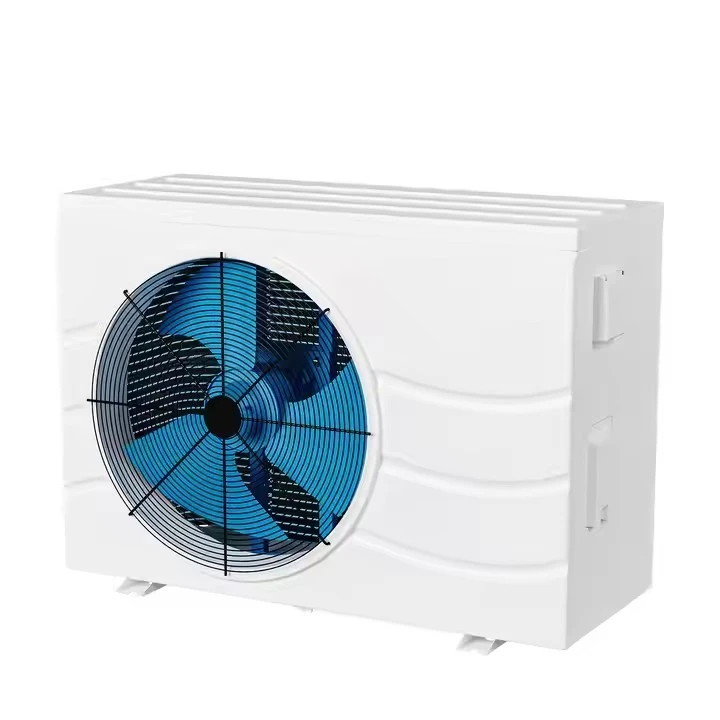
As a supplier of Mini Pool Heat Pumps, I've had the privilege of witnessing the transformative impact these devices can have on pool enjoyment. A well - functioning Mini Pool Heat Pump Mini Pool Heat Pump ensures that your pool water remains at a comfortable temperature, allowing you to take a dip whenever you please. However, like any mechanical equipment, Mini Pool Heat Pumps can encounter issues over time. Recognizing the signs that your Mini Pool Heat Pump needs repair is crucial to maintaining its efficiency and prolonging its lifespan.
Inadequate Heating
One of the most obvious signs that your Mini Pool Heat Pump is in need of repair is inadequate heating. If you notice that your pool water isn't reaching the desired temperature or is taking an unusually long time to heat up, it's a clear indication that something is amiss. There could be several reasons for this problem.
Firstly, a dirty or clogged air filter can significantly reduce the heat pump's efficiency. The air filter is responsible for preventing dust, debris, and other particles from entering the system. When it becomes clogged, the airflow is restricted, which means that the heat pump has to work harder to extract heat from the air. This not only leads to inadequate heating but also increases energy consumption. To check the air filter, locate it on the side or front of the heat pump. If it appears dirty or clogged, it should be cleaned or replaced according to the manufacturer's instructions.
Another possible cause of inadequate heating is a refrigerant leak. Refrigerant is the substance that absorbs and transfers heat within the heat pump. If there is a leak, the heat pump won't be able to transfer heat effectively, resulting in poor heating performance. Signs of a refrigerant leak include hissing sounds coming from the heat pump, ice buildup on the coils, or a sudden increase in energy consumption. If you suspect a refrigerant leak, it's important to contact a professional technician as soon as possible. Handling refrigerant requires specialized knowledge and equipment, and improper handling can be dangerous.
Unusual Noises
A Mini Pool Heat Pump should operate relatively quietly. If you start to hear strange noises coming from your heat pump, it's a sign that there may be a problem. Different types of noises can indicate different issues.
Loud rattling or banging noises could be a sign of loose components within the heat pump. Over time, the vibrations from normal operation can cause screws, bolts, or other parts to become loose. These loose parts can then rattle around inside the unit, creating a loud noise. To fix this problem, you may be able to tighten the loose components yourself if you're comfortable doing so. However, if you're unsure, it's best to have a professional technician inspect the unit.
High - pitched screeching or squealing noises are often a sign of a problem with the fan motor or the compressor. The fan motor is responsible for drawing air into the heat pump, while the compressor is responsible for compressing the refrigerant. If either of these components is malfunctioning, it can cause a high - pitched noise. A worn - out belt or a damaged bearing could be the culprit. These issues typically require professional repair, as they involve complex mechanical components.
Excessive Energy Consumption
If you notice a sudden increase in your energy bills, your Mini Pool Heat Pump could be the cause. An inefficient heat pump has to work harder to maintain the desired pool temperature, which means it consumes more energy.
As mentioned earlier, a dirty air filter can restrict airflow and cause the heat pump to work harder, leading to increased energy consumption. In addition to cleaning or replacing the air filter, you should also check the condenser coils. The condenser coils are responsible for releasing heat from the refrigerant. Over time, they can become dirty or covered in debris, which reduces their ability to transfer heat. Cleaning the condenser coils can improve the heat pump's efficiency and reduce energy consumption.
Another factor that can contribute to excessive energy consumption is improper sizing of the heat pump. If the heat pump is too small for your pool, it will have to run continuously to maintain the desired temperature, which uses more energy. On the other hand, if it's too large, it will cycle on and off frequently, which can also increase energy consumption. When choosing a Mini Pool Heat Pump, it's important to consider the size of your pool, the climate in your area, and your desired pool temperature.
Water Leaks
Water leaks around the Mini Pool Heat Pump are a serious issue that should not be ignored. There are several possible causes of water leaks.
One common cause is a cracked or damaged water pump. The water pump is responsible for circulating water through the heat pump. If it develops a crack or other damage, water can leak out. You may notice water pooling around the base of the heat pump or dripping from the pump itself. If you suspect a problem with the water pump, it's important to have it inspected and repaired by a professional.
Another possible cause of water leaks is a problem with the plumbing connections. Over time, the pipes and fittings that connect the heat pump to the pool can become loose or damaged, causing water to leak. Check the plumbing connections for any signs of leaks, such as wet spots or dripping water. If you find a loose connection, you may be able to tighten it using a wrench. However, if the connection is damaged, it will need to be replaced.
Frequent Cycling On and Off
A Mini Pool Heat Pump should cycle on and off periodically to maintain the desired pool temperature. However, if it starts to cycle on and off too frequently, it could be a sign of a problem.
One possible cause of frequent cycling is a malfunctioning thermostat. The thermostat is responsible for sensing the pool water temperature and turning the heat pump on and off accordingly. If it's not working properly, it may send incorrect signals to the heat pump, causing it to cycle on and off too often. To test the thermostat, you can use a separate thermometer to measure the pool water temperature and compare it to the temperature setting on the heat pump. If there is a significant difference, the thermostat may need to be replaced.
Another cause of frequent cycling is a problem with the compressor. The compressor is the heart of the heat pump, and if it's not working properly, the heat pump may cycle on and off frequently. A worn - out compressor may not be able to maintain a consistent temperature, or it may overheat and shut off prematurely. Compressor issues typically require professional repair, as they involve complex electrical and mechanical components.
Conclusion
Recognizing the signs that your Mini Pool Heat Pump needs repair is essential for ensuring its proper operation and longevity. By being aware of these signs and taking prompt action, you can avoid costly repairs and keep your pool at a comfortable temperature.
If you're experiencing any of the issues mentioned above with your Mini Pool Heat Pump, don't hesitate to contact us. We're a leading supplier of Mini Pool Heat Pumps, and we also offer a wide range of Domestic Swimming Pool Heat Pump and Commercial Swimming Pool Heat Pump products. Our team of experienced technicians can provide professional repair and maintenance services to get your heat pump back up and running in no time. Whether you need a simple repair or a complete replacement, we're here to help you make the best decision for your pool. Contact us today to discuss your needs and explore our product offerings.

References
- Manufacturer's manuals for Mini Pool Heat Pumps
- Industry standards and guidelines for pool heat pump maintenance and repair
- Technical literature on refrigeration and heat pump systems