

As a chiller heat pump supplier, I've witnessed firsthand the unique challenges that coastal environments pose to these vital systems. The corrosive nature of saltwater and the high humidity levels prevalent in coastal areas can significantly degrade the performance and lifespan of chiller heat pumps. In this blog post, I'll explore the various corrosion protection measures that can be employed to safeguard these systems and ensure their long - term reliability.
Understanding the Corrosion Risks in Coastal Areas
Coastal regions are characterized by high salt content in the air and water. Salt is a powerful electrolyte, which accelerates the corrosion process. When salt particles come into contact with the metal components of a chiller heat pump, they form a conductive medium that facilitates the flow of electrical current between different metals or between different areas of the same metal. This leads to galvanic corrosion, where one metal corrodes preferentially to protect another.
In addition to salt, the high humidity in coastal areas creates a moist environment that promotes the formation of rust and other forms of corrosion. Water acts as a medium for chemical reactions, and when combined with oxygen and salt, it can rapidly eat away at the metal surfaces of the chiller heat pump.
Material Selection
One of the most fundamental corrosion protection measures is the careful selection of materials. For the external components of the chiller heat pump, such as the casing and pipes, stainless steel is an excellent choice. Stainless steel contains chromium, which forms a passive oxide layer on the surface of the metal. This layer acts as a barrier, preventing further oxidation and corrosion. Grade 316 stainless steel, in particular, is highly resistant to chloride - induced corrosion, making it ideal for coastal applications.
Another option is aluminum. Aluminum also forms a protective oxide layer when exposed to air. It is lightweight, which can be advantageous for the overall design and installation of the chiller heat pump. However, aluminum may require additional surface treatments in highly corrosive coastal environments to enhance its corrosion resistance.
For internal components, such as heat exchangers, materials like titanium can be used. Titanium has outstanding corrosion resistance, even in the presence of saltwater. Although it is more expensive than other materials, its long - term durability can justify the cost, especially in critical applications where the failure of the heat exchanger could lead to significant downtime and repair costs.
Surface Coatings
Applying surface coatings is an effective way to protect the metal components of a chiller heat pump from corrosion. There are several types of coatings available, each with its own advantages and disadvantages.
Epoxy coatings are widely used in the industry due to their excellent adhesion and chemical resistance. They can form a thick, protective layer on the metal surface, preventing salt and moisture from coming into direct contact with the metal. Epoxy coatings can be applied in multiple layers to increase their thickness and durability.
Polyurethane coatings are another option. They offer good abrasion resistance in addition to corrosion protection. Polyurethane coatings are also known for their flexibility, which can be beneficial in applications where the chiller heat pump may be subject to vibrations or mechanical stress.
Zinc - rich coatings are often used as a sacrificial anode. Zinc has a lower electrode potential than most metals commonly used in chiller heat pumps. When the coating is applied, the zinc corrodes preferentially, protecting the underlying metal. This sacrificial protection mechanism can extend the lifespan of the metal components significantly.
Cathodic Protection
Cathodic protection is a technique that involves applying an electrical current to the metal surface to prevent corrosion. There are two main types of cathodic protection: sacrificial anode cathodic protection and impressed current cathodic protection.
In sacrificial anode cathodic protection, a more active metal (such as zinc or magnesium) is connected to the metal component of the chiller heat pump. The more active metal corrodes instead of the protected metal, providing a continuous supply of electrons to prevent oxidation. Sacrificial anodes are relatively easy to install and require little maintenance.
Impressed current cathodic protection, on the other hand, uses an external power source to supply a direct electrical current to the metal surface. This method is more suitable for large - scale systems or in areas where the corrosion rate is high. It allows for more precise control of the protection current, ensuring optimal corrosion protection.
Design Considerations
Proper design can also play a crucial role in preventing corrosion. For example, the chiller heat pump should be designed with adequate drainage to prevent the accumulation of water. Standing water can trap salt and other contaminants, accelerating the corrosion process.
The layout of the pipes and components should also minimize the formation of crevices and stagnant areas. Crevices can trap moisture and salt, creating an ideal environment for corrosion. By using smooth, continuous surfaces and avoiding sharp corners, the risk of corrosion can be reduced.
In addition, the chiller heat pump should be installed in a well - ventilated area. Good ventilation helps to reduce humidity levels around the system, preventing the formation of condensation on the metal surfaces.
Regular Maintenance
Even with the best corrosion protection measures in place, regular maintenance is essential to ensure the long - term performance of the chiller heat pump. This includes inspecting the system for signs of corrosion, such as rust, pitting, or discoloration. Any damaged or corroded components should be replaced promptly to prevent further deterioration.
The surface coatings should also be inspected regularly for signs of wear or damage. If the coating is damaged, it should be repaired or reapplied to maintain its protective function.
The cathodic protection system, if installed, should be monitored regularly to ensure that it is functioning properly. This may involve measuring the potential difference between the protected metal and the reference electrode to verify that the correct amount of current is being supplied.

Conclusion
In coastal areas, the corrosion protection of chiller heat pumps is of utmost importance. By carefully selecting materials, applying appropriate surface coatings, using cathodic protection techniques, considering design factors, and performing regular maintenance, we can significantly extend the lifespan of these systems and ensure their reliable operation.
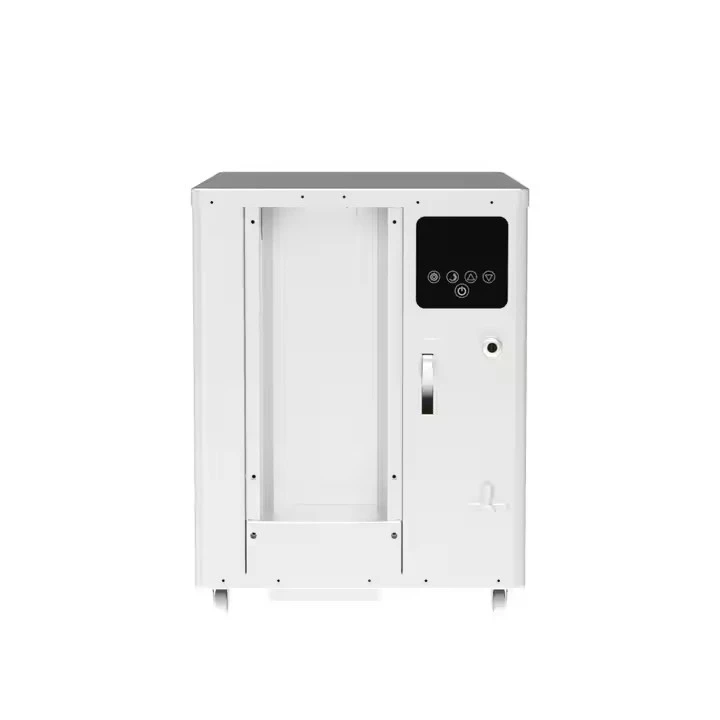
If you're in the market for a chiller heat pump that can withstand the harsh coastal environment, we have a range of products to meet your needs. Our Ice Bath Chiller and Water Chiller Heat Pump are designed with corrosion protection in mind, using high - quality materials and advanced manufacturing techniques.
Don't let corrosion damage your investment. Contact us today to discuss your specific requirements and explore how our chiller heat pumps can provide efficient and reliable cooling and heating solutions for your coastal application.
References
- Fontana, M. G. (1986). Corrosion Engineering. McGraw - Hill.
- Roberge, P. R. (2008). Corrosion Basics: An Introduction. NACE International.
- Uhlig, H. H., & Revie, R. W. (1985). Corrosion and Corrosion Control: An Introduction to Corrosion Science and Engineering. Wiley - Interscience.