

Hey there! I'm an inverter air conditioner supplier, and I often get asked this question: Is it possible to install an inverter air conditioner in a room with existing central air ducts? Well, let's dive into this topic and find out.
Understanding Inverter Air Conditioners
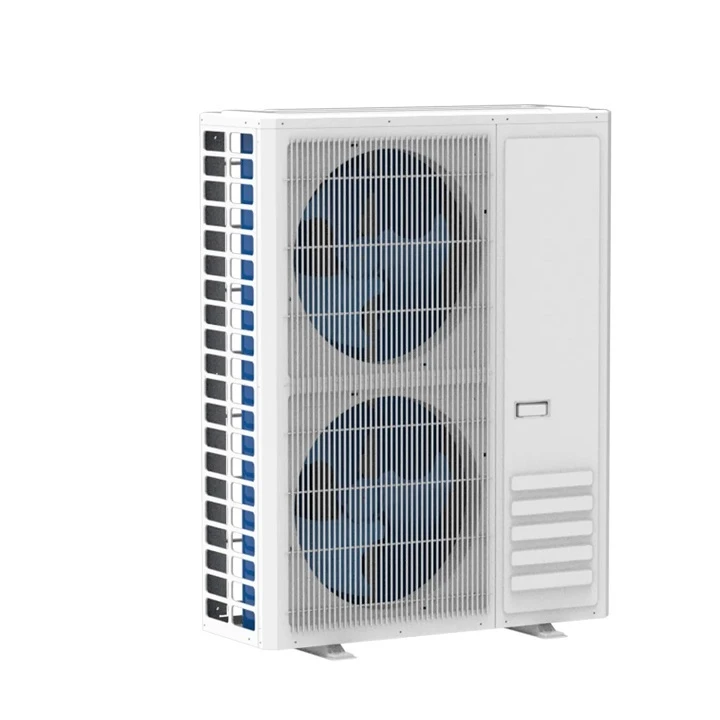
First things first, what exactly is an Inverter Air Conditioner? Unlike traditional air conditioners that run at a fixed speed and turn on and off to maintain the desired temperature, inverter air conditioners adjust their compressor speed according to the room's cooling needs. This means they can maintain a more stable temperature, use less energy, and operate more quietly.
Let's say you have a room that's getting a bit warm. A regular air conditioner might kick on at full power, cool the room quickly, and then turn off. But as the room warms up again, it has to start the whole cycle over. An inverter air conditioner, on the other hand, will increase or decrease its power gradually, so it's always working efficiently to keep the room at a consistent temperature.
Existing Central Air Ducts: What Are They?
Central air ducts are part of a whole - house cooling or heating system. They're like the highways for air in your home. The central unit (either an air conditioner or a furnace) cools or heats the air, and then the ducts distribute that air to different rooms.
If you have a big house or a multi - room building, central air ducts are a great way to ensure that every room gets a share of the conditioned air. But what if you want to add an inverter air conditioner to a room that's already connected to these ducts?
The Possibility of Installation
Feasibility
The short answer is yes, it's usually possible to install an inverter air conditioner in a room with existing central air ducts. However, there are a few things to consider.
One of the main factors is the compatibility of the inverter air conditioner with the existing ductwork. The size and design of the ducts can play a big role. If the ducts are too small or not properly sized for the new inverter unit, it might not work as efficiently as it should. For example, if the air can't flow freely through the ducts, the inverter air conditioner will have to work harder to cool the room, which could lead to higher energy consumption and more wear and tear on the unit.
Installation Process
The installation process can be a bit tricky. You'll need to make sure that the inverter air conditioner is connected to the existing ducts in a way that doesn't cause any air leaks. Air leaks can reduce the efficiency of the cooling system and waste energy. A professional installer will know how to seal the connections properly and ensure that the air is flowing through the ducts as it should.
Another thing to consider is the location of the inverter air conditioner. You'll need to place it in a spot where it can easily draw in air and push it through the ducts. It should also be installed in a way that's accessible for maintenance.
Advantages of Installation
Energy Savings
One of the biggest advantages of installing an inverter air conditioner in a room with existing central air ducts is energy savings. As I mentioned earlier, inverter air conditioners are more energy - efficient than traditional units. By using the existing ducts to distribute the cooled air, you can cool the room more effectively and use less energy in the process.
Consistent Cooling
Inverter air conditioners can maintain a more consistent temperature in the room. When combined with the central air ducts, the cooled air can be evenly distributed throughout the room, so you won't have hot or cold spots. This means a more comfortable living environment for you and your family.
Disadvantages and Challenges
Cost
The installation cost can be a bit high. You'll need to pay for the inverter air conditioner itself, as well as the cost of hiring a professional installer to connect it to the existing ducts. There might also be some additional costs for any modifications that need to be made to the ducts.
Compatibility Issues
As I mentioned earlier, there could be compatibility issues between the inverter air conditioner and the existing ductwork. If the ducts are too old or in poor condition, you might need to replace them, which can add to the overall cost.

Other Considerations
Type of Room
The type of room you're installing the inverter air conditioner in matters. For example, if it's a Domestic Air Conditioner for a living room or bedroom, you'll want to make sure it's quiet and doesn't disrupt your daily life. If it's an Air Conditioner for Barn, you might need a more heavy - duty unit that can handle the larger space and the different environmental conditions.
Maintenance
Regular maintenance is important for both the inverter air conditioner and the central air ducts. You'll need to clean the filters, check the refrigerant levels, and make sure the ducts are free of debris. This will help keep the system running efficiently and prevent any major problems from occurring.
Conclusion
So, is it possible to install an inverter air conditioner in a room with existing central air ducts? Absolutely. But it's not a decision to be taken lightly. You need to consider the compatibility of the unit with the ducts, the installation process, the costs involved, and the long - term maintenance.
If you're thinking about making this upgrade, I'd be more than happy to help. As a supplier of inverter air conditioners, I have the knowledge and expertise to guide you through the process. Whether you're looking for a domestic air conditioner or an air conditioner for a barn, I can help you find the right unit for your needs.
Contact me if you're interested in discussing your options and starting the procurement process. Let's work together to make your space more comfortable and energy - efficient.
References
- HVAC Installation Handbook
- Guide to Energy - Efficient Air Conditioning Systems