

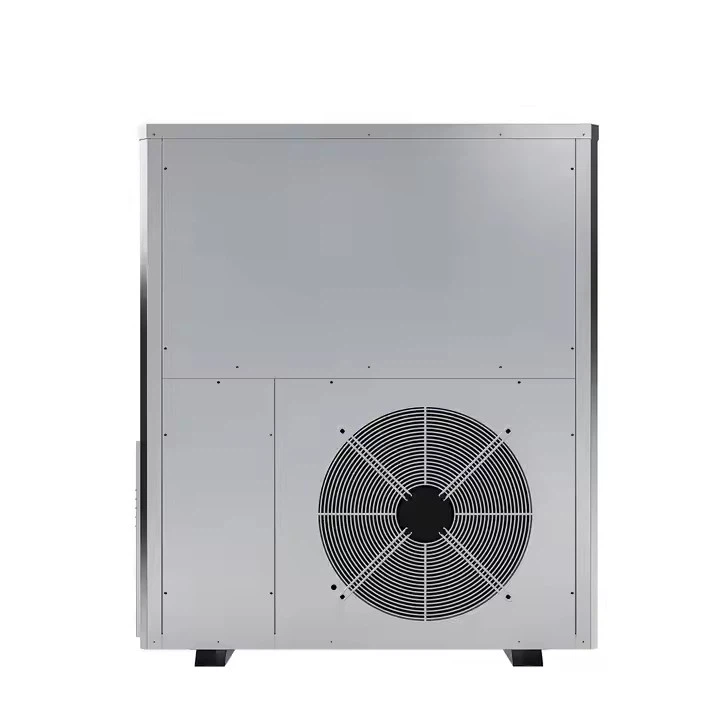
Hey there! As a supplier of Air Conditioner for Barn, I know how important it is to properly winterize your air conditioner in a barn. Winterizing not only extends the lifespan of your unit but also ensures it's ready to go when the warm weather rolls around again. In this blog, I'll share some practical tips on how to winterize your barn air conditioner.

Why Winterize Your Barn Air Conditioner?
Before we dive into the how-to, let's talk about why winterizing is a big deal. Barns can be pretty harsh environments, with varying temperatures, humidity levels, and even the potential for pests. If you leave your air conditioner exposed during the winter, it can suffer from damage caused by freezing temperatures, moisture, and debris. This can lead to costly repairs or even the need for a new unit. By winterizing your air conditioner, you're protecting your investment and saving yourself a headache down the road.
Step 1: Clean the Unit
The first step in winterizing your air conditioner is to give it a good cleaning. Start by turning off the power to the unit at the breaker box. This is a crucial safety step, so don't skip it! Once the power is off, remove the outer cover of the air conditioner. You'll likely find a lot of dirt, dust, and debris inside. Use a soft brush or a vacuum cleaner with a brush attachment to gently remove the dirt from the coils, fins, and other components.
Be careful not to bend the fins, as this can affect the unit's efficiency. If you notice any stubborn dirt or grime, you can use a mild detergent and water solution to clean it off. Just make sure to rinse the unit thoroughly and let it dry completely before moving on to the next step.
Step 2: Check for Leaks and Damage
While the unit is open, take a close look at all the components for any signs of leaks or damage. Check the refrigerant lines for any signs of corrosion or leaks. If you notice any issues, it's best to call a professional technician to fix them before winterizing the unit. You should also inspect the electrical connections to make sure they're tight and free of damage. Loose or damaged connections can pose a safety hazard, so it's important to address them right away.
Step 3: Drain the Water
Most air conditioners have a condensate drain line that collects the water produced during the cooling process. During the winter, this water can freeze and cause damage to the unit. To prevent this, you need to drain the water from the drain line. Locate the drain line and use a wet/dry vacuum or a small pump to remove the water. You may also want to pour a small amount of bleach into the drain line to prevent mold and mildew growth.
Step 4: Protect the Unit
Once the unit is clean and dry, it's time to protect it from the elements. You can use a specially designed air conditioner cover to protect the unit from snow, ice, and debris. Make sure the cover fits snugly over the unit and is secured with straps or ties. If you don't have a cover, you can use a heavy-duty tarp to protect the unit. Just make sure to secure the tarp tightly to prevent it from blowing off in the wind.
In addition to covering the unit, you may also want to consider installing a protective barrier around the air conditioner to prevent pests from getting inside. You can use wire mesh or hardware cloth to create a barrier around the unit. Make sure the barrier is tall enough to prevent animals from climbing over it.
Step 5: Store the Filters
The air filters in your air conditioner play an important role in keeping the air clean and the unit running efficiently. During the winter, it's a good idea to remove the filters and store them in a clean, dry place. This will prevent them from getting dirty or damaged while the unit is not in use. When you're ready to use the air conditioner again in the spring, make sure to clean or replace the filters.
Step 6: Schedule Maintenance
Even if you've winterized your air conditioner properly, it's still a good idea to schedule a maintenance check-up with a professional technician before the start of the next cooling season. A technician can inspect the unit, clean the components, and make any necessary repairs or adjustments. This will ensure that your air conditioner is in top condition and ready to keep your barn cool and comfortable all summer long.
Conclusion
Winterizing your air conditioner in a barn is an important task that can help extend the lifespan of your unit and save you money on repairs. By following these simple steps, you can protect your air conditioner from the harsh winter elements and ensure it's ready to go when the warm weather returns.
If you're in the market for a new Air Conditioner for Barn, we've got you covered. We offer a wide range of high-quality air conditioners that are designed specifically for barns. Our ON/OFF Air Condioner is a popular choice for barn owners, as it's easy to use and energy-efficient. We also have Domestic Air Conditioner options if you're looking for something for your home.
If you have any questions or need help with winterizing your air conditioner or choosing the right unit for your barn, don't hesitate to reach out. We're here to help you make the best decision for your needs.
References
- "HVAC Maintenance Guide" - HVAC Industry Association
- "Air Conditioner Winterization Tips" - Home Improvement Magazine