

A commercial SPA heat pump is an essential piece of equipment for businesses that operate spas, providing a cost - effective and efficient way to maintain the desired water temperature. As a supplier of Commercial SPA Heat Pumps, I'm here to share with you how these remarkable devices work.
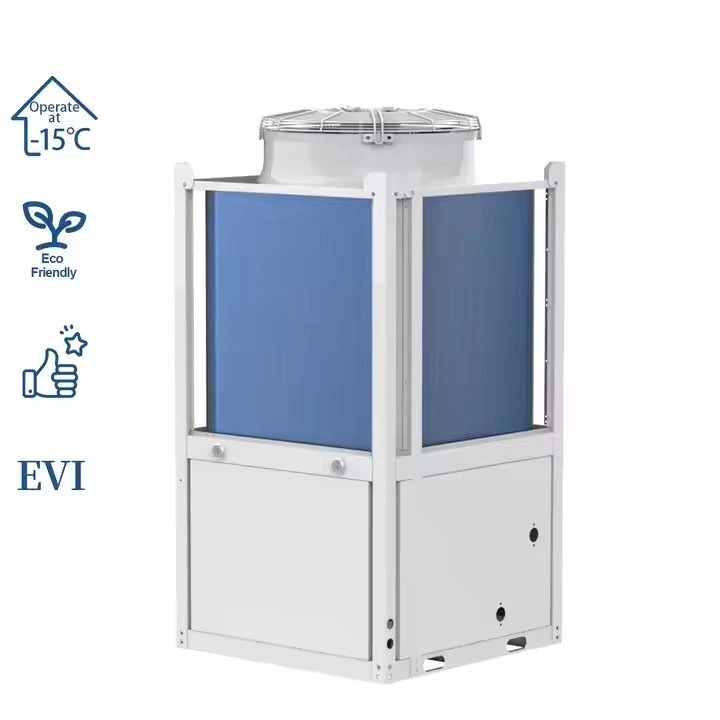
The Basic Principle of Heat Pumps
At its core, a heat pump operates on the principle of transferring heat rather than generating it. This is fundamentally different from traditional heating systems such as electric heaters or gas - fired boilers, which create heat through combustion or electrical resistance. The heat pump's ability to move heat from one place to another makes it a highly efficient solution for heating commercial SPAs.
The basic concept behind a heat pump is based on the refrigeration cycle. It uses a refrigerant, a special fluid with unique thermodynamic properties, to absorb heat from a low - temperature source and release it at a higher - temperature destination. In the case of a commercial SPA heat pump, the low - temperature source is usually the surrounding air, and the high - temperature destination is the water in the SPA.
The Components of a Commercial SPA Heat Pump
A commercial SPA heat pump consists of several key components, each playing a crucial role in the heat - transfer process.

- Evaporator: The evaporator is where the refrigerant absorbs heat from the surrounding air. As the warm air passes over the evaporator coils, the low - pressure liquid refrigerant inside the coils absorbs the heat and evaporates, changing from a liquid to a gas. The refrigerant has a very low boiling point, which allows it to absorb heat even when the air temperature is relatively low.
- Compressor: Once the refrigerant has evaporated and turned into a gas, it enters the compressor. The compressor is the heart of the heat pump. It compresses the low - pressure refrigerant gas, increasing its pressure and temperature significantly. By squeezing the gas molecules closer together, the compressor raises the energy level of the refrigerant, making it much hotter.
- Condenser: After being compressed, the high - pressure, high - temperature refrigerant gas flows into the condenser. In the condenser, the hot refrigerant gas releases its heat to the water in the commercial SPA. As the refrigerant gives up its heat, it condenses back into a liquid state. The water in the SPA absorbs the heat from the refrigerant, gradually increasing in temperature.
- Expansion Valve: The liquid refrigerant then passes through the expansion valve. This valve reduces the pressure of the refrigerant, causing it to expand and cool down. As the pressure drops, the refrigerant returns to its low - pressure, low - temperature state, ready to start the cycle again by entering the evaporator and absorbing more heat from the air.
The Heat - Transfer Process in Detail
Let's take a closer look at how these components work together in a continuous cycle to heat the water in a commercial SPA.
- Heat Absorption at the Evaporator: The evaporator is designed with a large surface area to maximize the contact between the refrigerant and the surrounding air. A fan is usually installed near the evaporator to blow air over the coils. As the air moves across the coils, the refrigerant inside absorbs the heat energy from the air. Even on cold days, there is still enough heat in the air for the refrigerant to extract. For example, on a 5°C day, the refrigerant can still absorb heat and evaporate due to its low boiling point.
- Compression in the Compressor: The compressor is a powerful device that uses an electric motor to compress the refrigerant gas. When the compressor starts working, it sucks in the low - pressure refrigerant gas from the evaporator and squeezes it into a smaller volume. This compression process not only increases the pressure of the refrigerant but also raises its temperature. The compressor can raise the temperature of the refrigerant to well above the desired water temperature in the SPA.
- Heat Release at the Condenser: The high - pressure, high - temperature refrigerant gas then enters the condenser, which is typically a heat exchanger. The condenser is in direct contact with the water in the SPA. As the hot refrigerant gas flows through the condenser coils, the heat is transferred from the refrigerant to the water. The water in the SPA circulates around the condenser, absorbing the heat and gradually reaching the set temperature.
- Expansion and Cooling: After releasing its heat in the condenser, the refrigerant has condensed back into a liquid. The expansion valve then reduces the pressure of the liquid refrigerant, causing it to expand rapidly. This expansion process cools the refrigerant down, preparing it to absorb more heat from the air at the evaporator.
Advantages of Using a Commercial SPA Heat Pump
There are several advantages to using a commercial SPA heat pump for your business.

- Energy Efficiency: As mentioned earlier, heat pumps transfer heat rather than generate it. This means they use significantly less energy compared to traditional heating systems. By extracting heat from the air, a commercial SPA heat pump can achieve a high coefficient of performance (COP). A high COP indicates that the heat pump can produce more heat output for every unit of electrical energy input. This results in lower energy bills for spa operators.
- Environmental Friendliness: Heat pumps are a more environmentally friendly option compared to fossil - fuel - based heating systems. Since they do not burn fuel to generate heat, they produce fewer greenhouse gas emissions. This is in line with the growing trend towards sustainable business practices.
- Consistent Temperature Control: A commercial SPA heat pump can maintain a consistent water temperature in the spa. It can adjust the heating output based on the ambient air temperature and the water temperature in the spa. This ensures that customers can enjoy a comfortable and relaxing spa experience at all times.
Applications and Related Products
In addition to commercial SPAs, heat pumps also have other applications. For those interested in domestic use, we also offer Domestic Swimming Pool Heat Pump. These heat pumps are designed to meet the needs of homeowners with swimming pools, providing an efficient way to keep the pool water warm.
For larger commercial applications such as hotels, resorts, and public swimming pools, our Commercial Swimming Pool Heat Pump is a great choice. These heat pumps are built to handle larger volumes of water and can operate continuously to maintain the desired water temperature.
Of course, our Commercial SPA Heat Pump is specifically tailored for commercial spas. It is designed with durability, efficiency, and ease of use in mind, ensuring that your spa business can run smoothly.
Conclusion and Invitation
In conclusion, a commercial SPA heat pump is a sophisticated and efficient device that works by transferring heat from the air to the water in the spa. Its components work together in a continuous cycle to provide a reliable and cost - effective heating solution.

If you are in the business of operating a commercial spa or have a need for a domestic or commercial swimming pool heat pump, we are here to help. Our products are of high quality and are backed by our professional technical support. We invite you to contact us for more information and to discuss your specific requirements. Whether you are looking to purchase a new heat pump or upgrade your existing system, we can provide you with the best solutions.
References
- ASHRAE Handbook - HVAC Systems and Equipment. American Society of Heating, Refrigerating and Air - Conditioning Engineers.
- Heat Pump Association. Technical guides on heat pump technology.
- International Journal of Refrigeration. Research papers on heat pump efficiency and performance.