

As a supplier of Domestic Air Conditioners, I often encounter inquiries about whether our domestic air conditioners can be used in server rooms. This is a crucial question that requires a comprehensive analysis, considering various factors such as temperature control, humidity regulation, air filtration, and energy efficiency.
1. Temperature Control Requirements
Server rooms are highly sensitive to temperature. Servers generate a significant amount of heat during operation, and maintaining a stable temperature is essential for their proper functioning. A typical server room needs to be kept between 18°C and 27°C (64°F - 81°F) to ensure optimal performance and prevent hardware damage due to overheating.
Domestic air conditioners are designed primarily for living spaces, where the temperature requirements are more flexible. The temperature settings in a home usually range from 20°C to 26°C (68°F - 79°F). Although these ranges may seem similar, the precision of temperature control in server rooms is far more critical. Server equipment can be negatively affected by even small temperature fluctuations. Most domestic air conditioners are not equipped with the precision temperature control capabilities required for server rooms. They often operate on a broader temperature range and may not be able to maintain a stable temperature within the narrow limits that servers need. For example, when a server workload suddenly increases, the heat generated will rise rapidly. A domestic air conditioner may not respond quickly enough to adjust the temperature, leading to potential overheating issues. On the other hand, some high - end Energy - efficient Air Conditioner models in our domestic air conditioner lineup may offer relatively better temperature control, but still may not meet the strict requirements of a server room.
2. Humidity Regulation
Humidity is another vital factor in server room environment management. Proper humidity levels help prevent static electricity build - up, which can damage electronic components in servers. Server rooms typically require a relative humidity level between 40% and 60%.
Domestic air conditioners are mainly focused on cooling and may not have advanced humidity control features. In a home environment, a certain degree of humidity variation is acceptable as it does not pose a significant threat to the comfort of the inhabitants. However, in a server room, if the humidity is too low, static electricity can be generated, causing short - circuits or permanent damage to sensitive server components. Conversely, high humidity can lead to condensation, which can corrode the hardware. Our Domestic Air Conditioner models are not specifically designed to maintain the precise humidity levels required in a server room. They usually remove some humidity as a by - product of the cooling process, but the level of control is far from that of dedicated server room air conditioners.
3. Air Filtration
Servers are very sensitive to dust and other airborne particles. These particles can accumulate on the internal components of servers, blocking ventilation passages and causing overheating. Efficient air filtration is necessary to ensure a clean environment in the server room.
Domestic air conditioners are generally equipped with basic air filters to capture large dust particles and improve indoor air quality for human comfort. These filters are not designed to meet the high - standard air filtration requirements of server rooms. Server room air conditioners often come with high - efficiency particulate air (HEPA) filters or other advanced filtration systems that can remove a large percentage of small particles, including dust, pollen, and even some microorganisms. Our domestic air conditioners may not be able to provide the level of air purification needed to protect server equipment from the harmful effects of airborne contaminants.
4. Energy Efficiency and Load Capacity
Server rooms are in operation 24/7, and the air conditioning system needs to run continuously to maintain the appropriate environment. Energy efficiency becomes a significant factor in reducing operating costs.
Domestic air conditioners are designed to meet the cooling needs of residential spaces, which are typically smaller in size and have lower heat loads compared to server rooms. The load capacity of a domestic air conditioner may not be sufficient to handle the continuous heat generated by servers. Additionally, although there are Energy - efficient Air Conditioner options in the domestic market, the energy - saving features are optimized for home use, not for the high - demand, non - stop operation in a server room. Running a domestic air conditioner in a server room may result in higher energy consumption and increased costs in the long run, as it may need to work at full capacity all the time to try to cool the space.
5. Special Cases and Limited Applications
There are some special cases where a domestic air conditioner might be considered for a server room. For example, in a very small server closet or a home - based server setup with a limited number of low - power servers, a domestic air conditioner with relatively high - end features could potentially be used. However, this should be done with caution, and additional measures may be required to compensate for the lack of precision in temperature and humidity control.
If you have a small - scale server environment, our Domestic Air Conditioner models can offer a cost - effective solution. For instance, if you have a home - office with a few servers, or a small barn - based server setup where the heat load is not extremely high, you might find that one of our domestic air conditioners can meet the basic cooling needs. You can refer to our Air Conditioner for Barn series, which may have some features suitable for such non - standard server environments.
Conclusion and Call to Action
In general, while it may be possible to use a domestic air conditioner in a server room under certain limited circumstances, it is not the ideal solution for most standard server rooms. Dedicated server room air conditioners are specifically designed to meet the strict requirements of server environments in terms of temperature control, humidity regulation, air filtration, and energy efficiency.

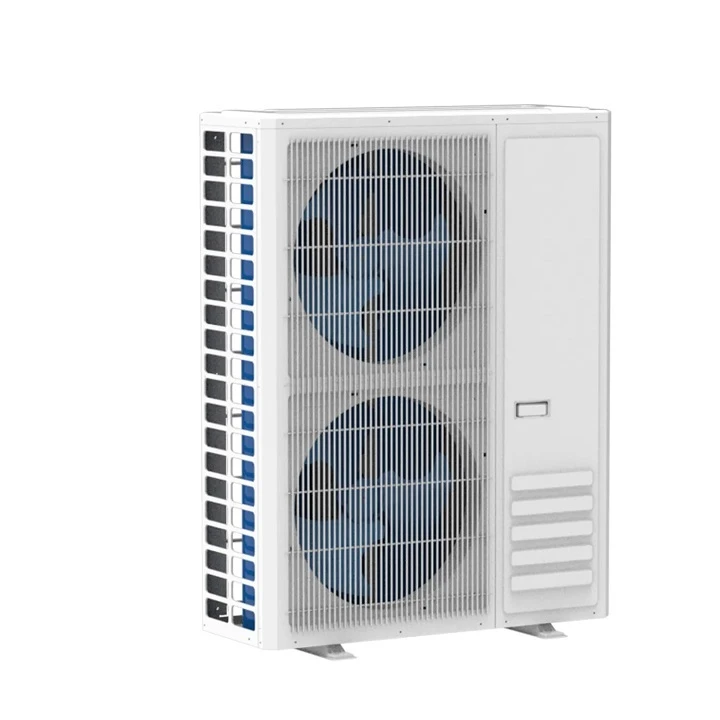
However, if you believe that your server environment may be suitable for a domestic air conditioner, or if you have any questions about our products, we encourage you to contact us for a detailed consultation. Our team of experts can help you determine whether our domestic air conditioners are the right fit for your server room needs and can provide you with more information on the features and performance of our products.
References
- ASHRAE (American Society of Heating, Refrigerating and Air - Conditioning Engineers). "Thermal Guidelines for Data Processing Environments."
- Server manufacturers' documentation on environmental requirements.